SIOM Makes Progress in Multidimensional Multiplexed Optical Computing
Topics and contents
Xie Peng's team at the Shanghai Institute of Optics and Fine Mechanics (SIOM) has made progress in multidimensional multiplexed optical computing, improving the parallelism of optical computing.
The original article provides specific data and details that help assess actual progress in this direction
Excellent Innovation Brief on Ultra-Intense Laser Science
(Issue 819)
September 7, 2026
SIOM Advances Multidimensional Multiplexed Optical Computing
Recently, a team led by Researcher Xie Peng at the Aerospace Laser Technology and Systems Department of the Shanghai Institute of Optics and Fine Mechanics (SIOM), Chinese Academy of Sciences, made progress in multidimensional multiplexed optical computing. The results, titled "Hyper-parallel optical tensor processors toward multitask neural networks", were published inLaser & Photonics Reviews.
Building on its research into the "Meteor-1" ultra-high-parallelism optical computing integrated chip, the team further expanded the integration of wavelength-division multiplexing and space-division multiplexing, along with shared multitask matrix networks, to construct a multidimensional multiplexed optical computing architecture. This enables parallel processing of multitask, multimodal information and was validated on remote sensing image registration and recognition tasks.
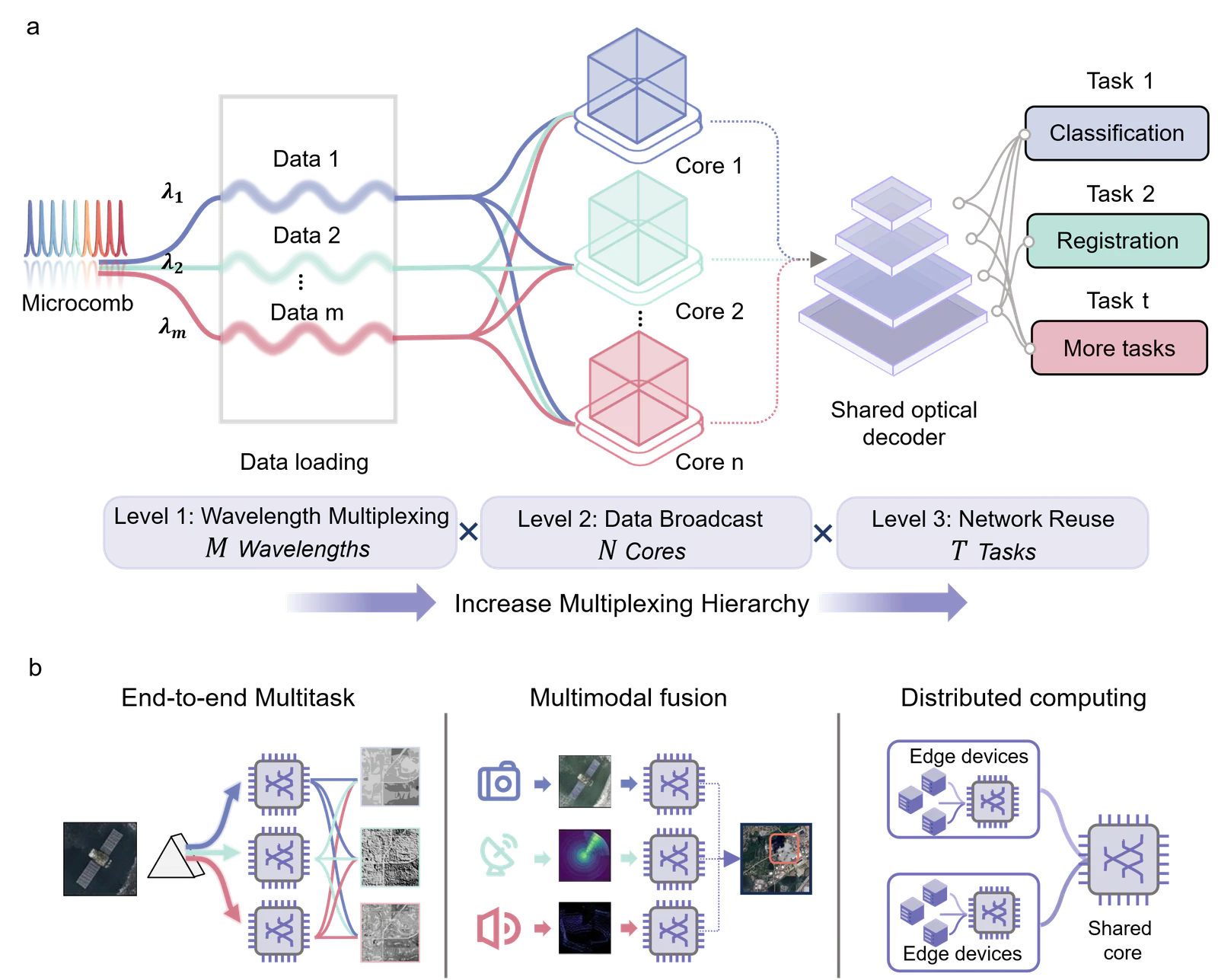
Figure 1. Multi-dimensional multiplexed optical computing architecture
The architecture carries data in parallel across different wavelengths and processes it in parallel with multiple photonic tensor cores; different tasks share the front-end optical network and are processed through dedicated back ends. The research team built a multi-dimensional multiplexed optical computing system composed of three independent optical computing cores, combining Wavelength Multiplexing, Data Broadcast, and Network Reuse. A single core validated parallel computation across 108 wavelength channels, while the system achieved a computational parallelism of 324 and matrix-computing network sharing for 2 tasks.
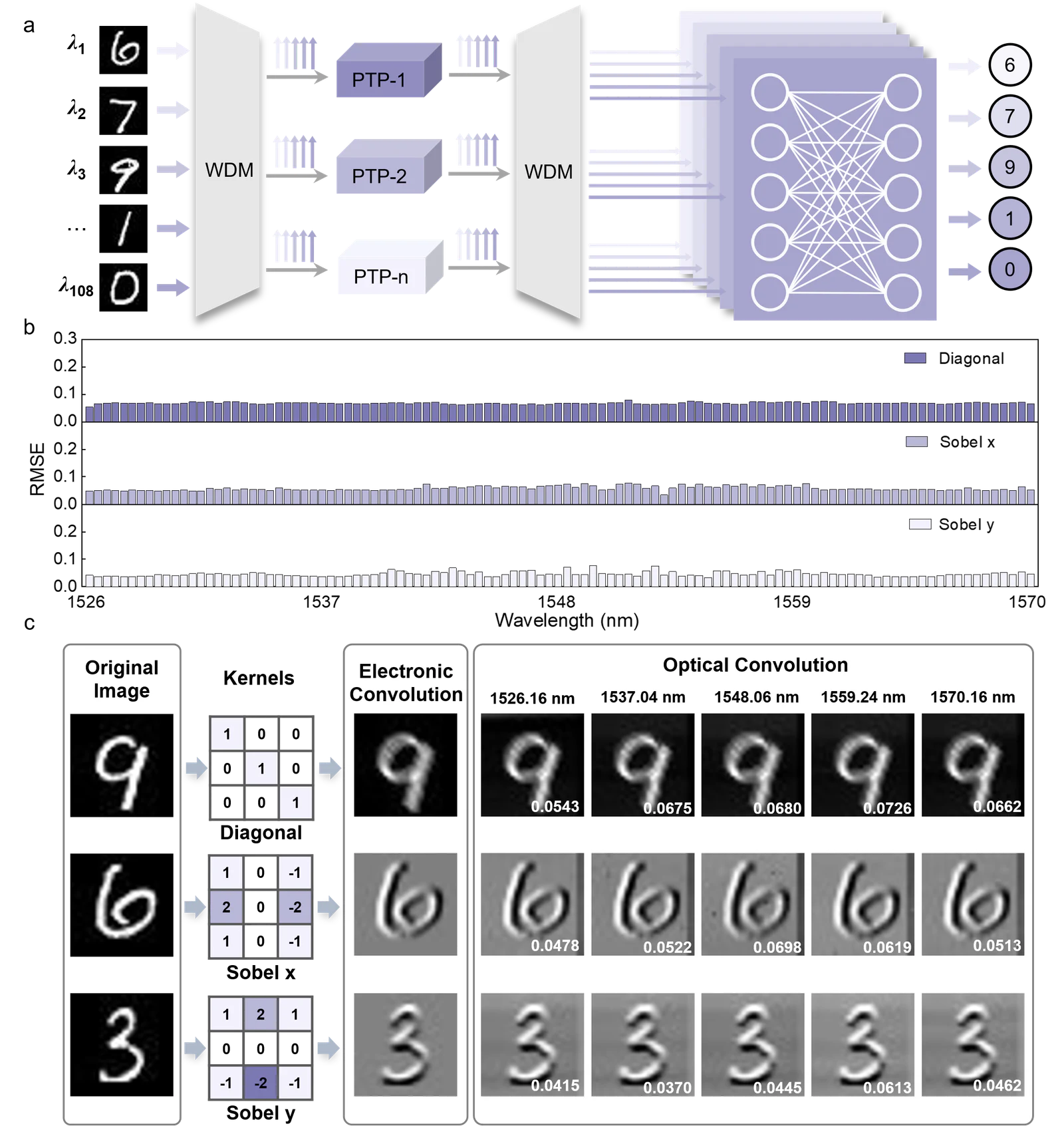
Figure 2. Parallel convolution and error analysis
The experiment performed image convolution with multiple optical convolution operators (Diagonal, Sobel-x, Sobel-y) over a broad spectral range, with root-mean-square errors between the optical convolution results and the electronic benchmark all below 0.08. Building on this, the team further used the multi-dimensional multiplexed optical computing system to validate remote-sensing image registration and recognition techniques, achieving a recognition accuracy of 84.5%.
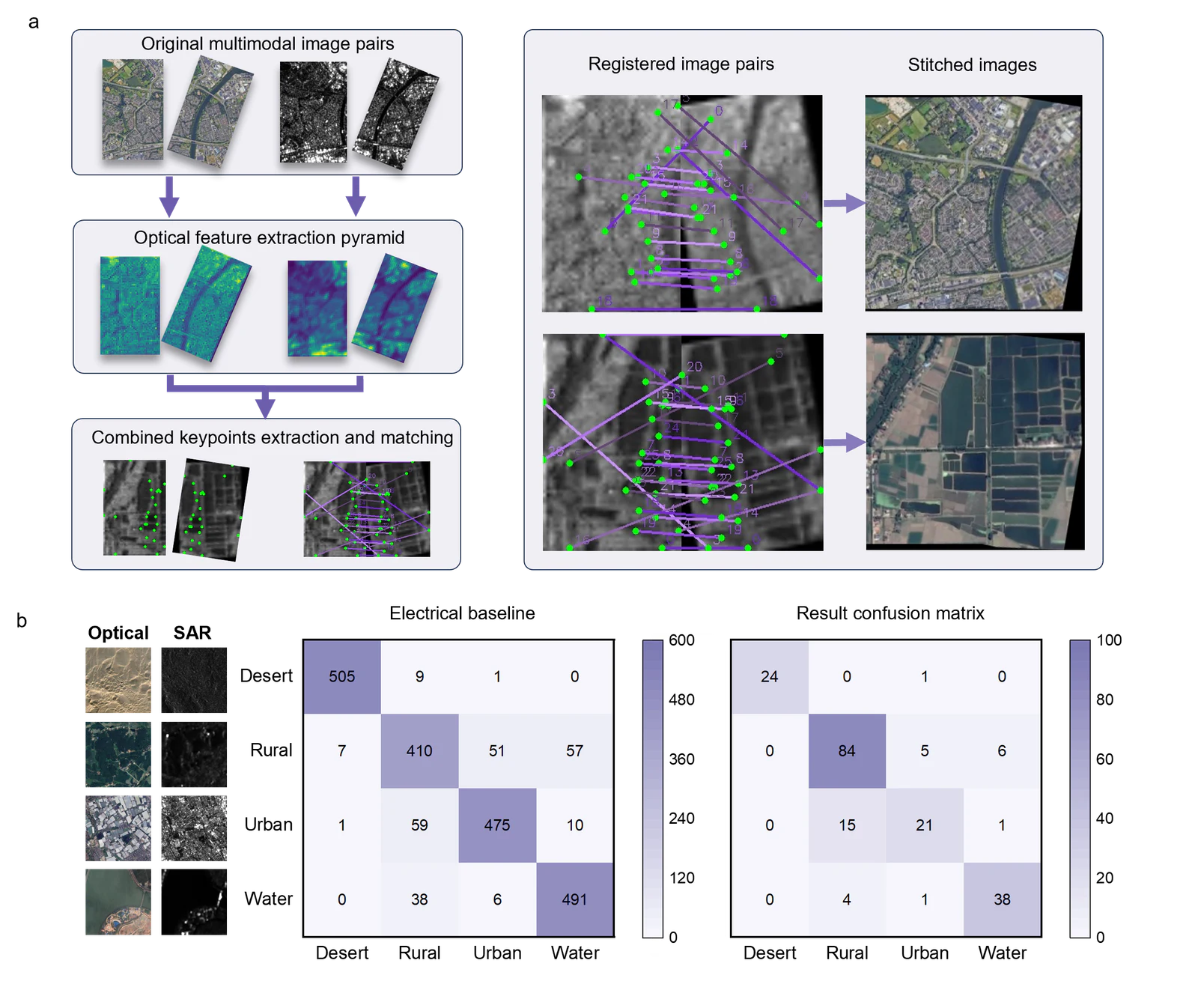
Figure 3. Validation of multimodal remote-sensing image registration and recognition
Focusing on increasing optical computing parallelism and sharing multi-task matrix networks, this work verified the feasibility of scaling optical computing power through parallel processing of multi-dimensional information in wavelength, space, and task.
Source: Shanghai Institute of Optics and Fine Mechanics (SIOM) · Research Updates · siom.cas.cn