Multiple Countries Move to Restrict Smart Glasses, Creating Three Types of Overseas Risks
Topics and contents
The global smart glasses industry faced three regulatory tests in early October: Dutch eyewear chain Hans Anders suspended sales of Ray-Ban Meta smart glasses at more than 400 stores in the Netherlands and Belgium; the Norwegian government plans to submit a bill temporarily banning the use of AI glasses in parks, beaches, museums and other venues; and Australia's privacy regulator OAIC announced an investigation into a Shenzhen-based company.
Just a few days into October, the global smart glasses industry faced three tests.
On October 2, Hans Anders, one of the Netherlands' largest eyewear retail chains, announced it would suspend sales of Meta's Ray-Ban smart glasses in the Netherlands and Belgium, affecting more than 400 stores. Three days later, the Norwegian government said it would submit a bill to parliament temporarily banning the use of AI glasses in places such as parks, beaches, museums and shopping centers. Two days after that, Australia's privacy regulator OAIC announced a formal investigation into the privacy safeguards of a Shenzhen-based company.
Dozens of hours, three countries, three different actions. They point to the same thing: a device that looks exactly like ordinary glasses is having the boundaries of its use redefined.
Unlike a straightforward news report, this article focuses on analyzing the specific content, scope and regulatory features of rules and bans in different countries, and ends with several recommendations. We hope it can serve as a reference for Chinese XR companies expanding overseas.
01
Seven Regions, Seven Policies
Norway
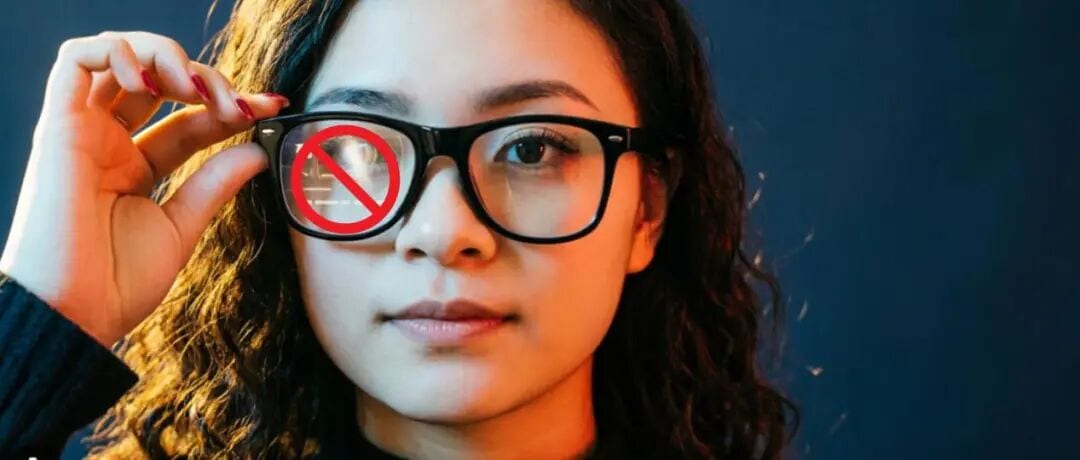
The latest and strictest measures come from the Nordic powerhouse Norway.
Under the plan announced by the Norwegian government on October 5, bans would cover places where people often gather, such as parks, beaches, museums, shopping centers and public events; schools, kindergartens, playgrounds and youth activity centers; clinics and swimming pools and gyms with changing rooms and showers; and even universities are under review. Norway will also set up an expert group to recommend permanent rules.
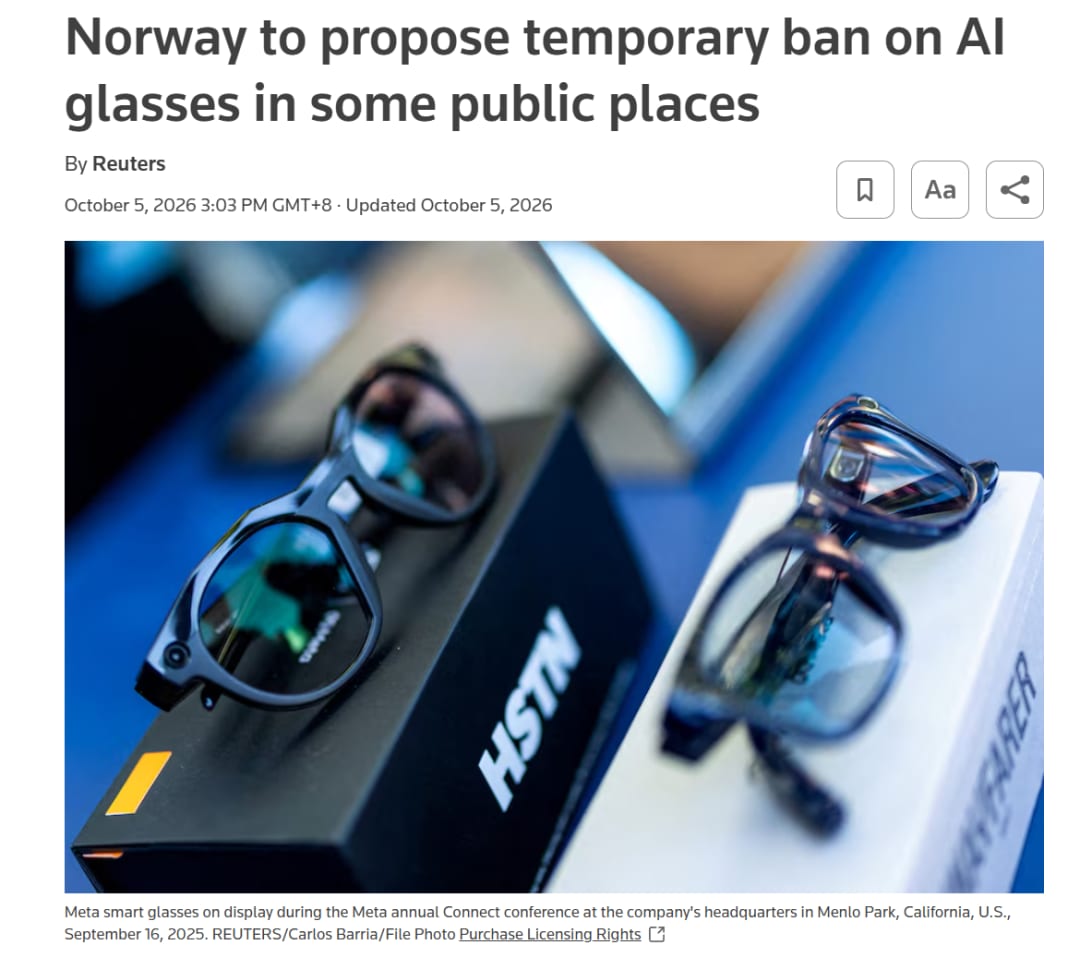
Norwegian Minister of Digitalization and Public Governance Torgeir Micaelsen said: "I am concerned that powerful new technology is being introduced and that people may be photographed, filmed or recorded without their knowledge. We do not want a society where people avoid certain places for fear of being secretly recorded, photographed or filmed."
In Xingqiu's view, Norway's approach is highly effective and sets a benchmark. Schools in its capital, Oslo, banned the devices back in August, and Norway's largest company, Equinor, has kept the glasses out of its offices and offshore facilities.
Netherlands
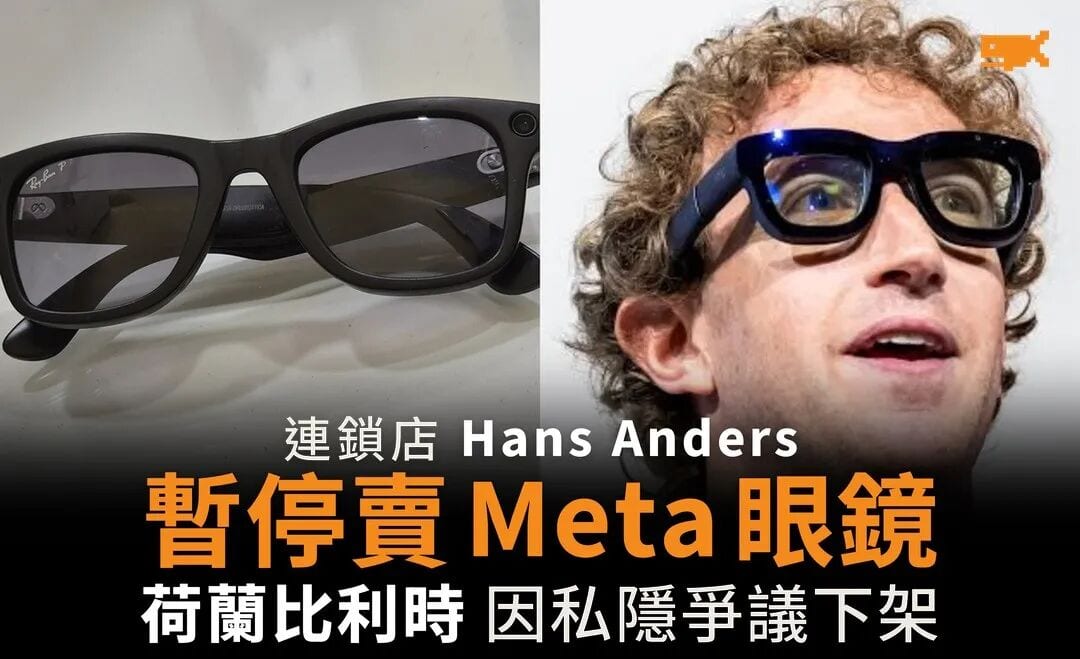
The Hans Anders behind the latest move in the Netherlands is a retailer, not a government agency, so the nature of the action is different as well. It is not a ban on use, but a halt to sales. The spokesperson's reasoning is also somewhat vague: "The public and political debate around smart glasses continues."
A retail chain pulling the world's best-selling single product from more than 400 shelves shows that the risks outweigh the profits. It also highlights the channel risk facing eyewear companies going overseas: regulations may not yet be in place on the government side, but retailers are already unwilling to bear the risk of selling.
United Kingdom & United States
As traditional technology powers, the United Kingdom and the United States are taking a different path.
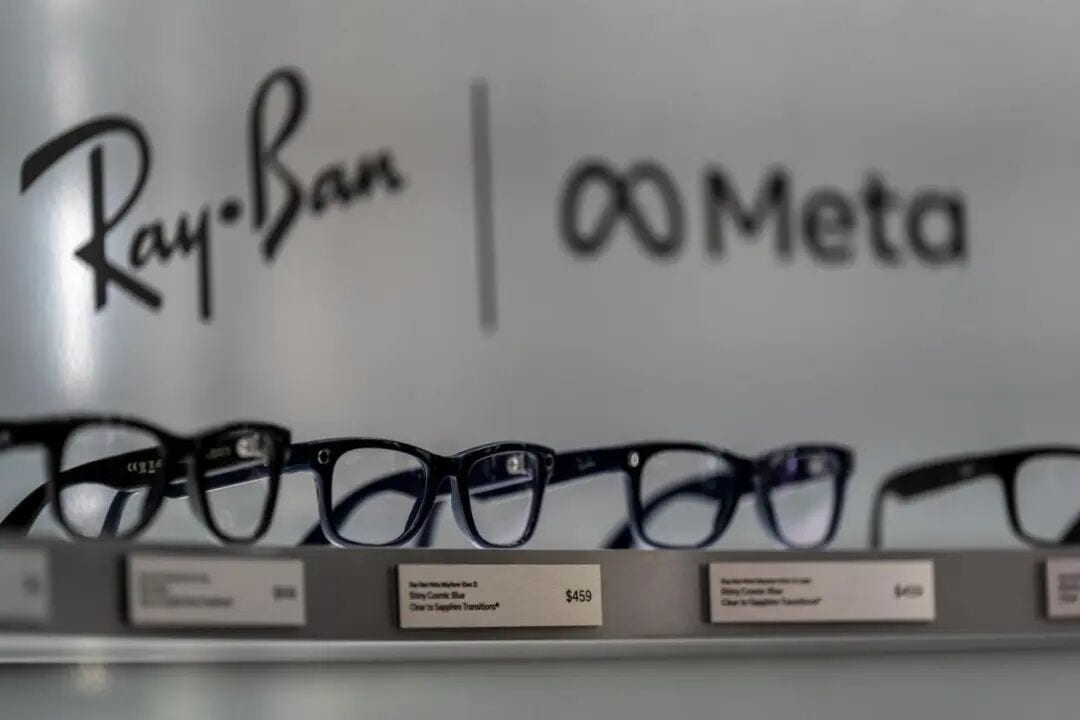
Courts in England and Wales have banned Meta smart glasses under existing courtroom recording rules; in August, the UK Cinema Association said some cinemas had begun restricting or banning camera-equipped glasses, with anti-piracy rather than privacy as the motivation.
In the United States, the New York State Unified Court System banned smart glasses from all court facilities starting July 20, requiring any glasses or head-mounted devices with a camera, microphone or recording capability to be surrendered at the door. Earlier, on May 20, the Texas Attorney General issued a civil investigative demand over Meta smart glasses, targeting biometrics: whether the LED can be obscured, whether data is collected when the light is off, and how facial geometry data is handled. Texas is relying on two past cases to address what comes next: Meta's $1.4 billion settlement in July 2024, and Google's $1.375 billion in May 2025.
France
France has taken a purely judicial route to the privacy crisis sparked by smart glasses. In September, the Paris prosecutor's office opened an investigation into a complaint that a woman had been filmed without consent by connected glasses. Meanwhile, the European Data Protection Board (EDPB) commissioned a report on the "social acceptability" of smart glasses, and some members of the European Parliament urged the European Commission to consider legislation. As of October, however, the Commission had not introduced a bill specifically targeting smart glasses.
Australia
Australia's response unfolds on three levels and is something of an outlier in this round of regulation.
In September, the Australian federal government said it was considering banning camera-equipped smart glasses in government workplaces. Public Service Minister Katy Gallagher has asked the Australian Public Service Commission for advice on whether to impose a ban and what exemptions might apply. The City of Sydney, together with four other local councils, extended restrictions to public swimming pools, gyms, childcare centers and libraries.
Up to that point, Australia's approach was fairly conventional. But the OAIC review announced on October 7 was highly unusual: it targeted not a device but an app, and went straight after a Shenzhen-based company. OAIC stands for the Office of the Australian Information Commissioner, an independent statutory regulator at the federal level responsible for personal information privacy and government information disclosure.
Australia's shift in regulatory approach is critically important for domestic manufacturers, so it is covered separately in its own section below.
02
The regulatory approach has changed,
and domestic manufacturers need to take note
The OAIC investigation in Australia mentioned above is the one that domestic manufacturers should pay the most attention to in this round.
The incident began when a pair of Anko smart glasses priced at just $89 sold out on Australian retailer Kmart's platform. The glasses packaging clearly labeled them as "camera glasses," but this quickly sparked widespread concern. At that point, people had not yet realized that the matter had any connection to China.
OAIC then traced the app running on the glasses to its developer: Shenzhen Qingcheng Future Technology Co., Ltd.
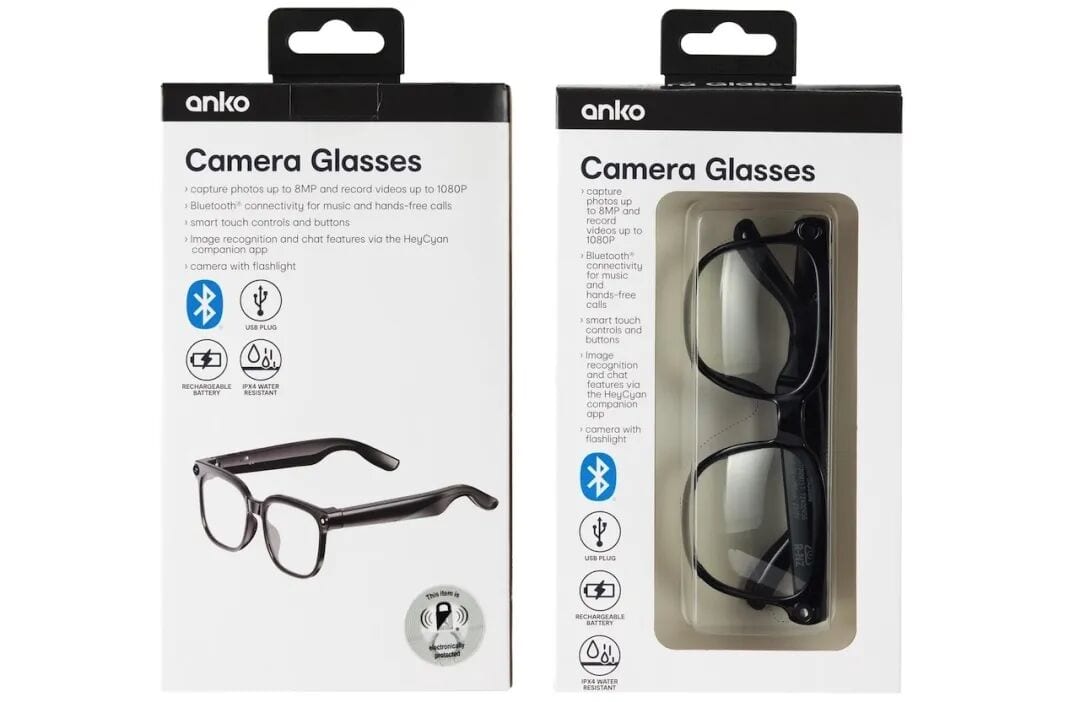
The Australian investigation also found that several low-cost glasses sold through Big W Marketplace, Dick Smith, Amazon, Temu and other channels either use or are labeled as using the HeyCyan App developed by China's Qingcheng Future. In OAIC's view, Australian consumers bought smart glasses from different brands, yet all of them run the same app, which carries hidden risks to some extent. Based on these inferences, the agency has written to the Shenzhen company requesting explanations on specific matters, and also to retailers selling the relevant devices, asking them to reconsider whether continued sales are appropriate.
After receiving no response from the Shenzhen company to its preliminary inquiries, OAIC announced on October 7 that it was launching a formal investigation into Shenzhen Qingcheng Future Technology. In the days that followed, retailer Kmart removed the Anko smart glasses, which run the Chinese app, from its website.
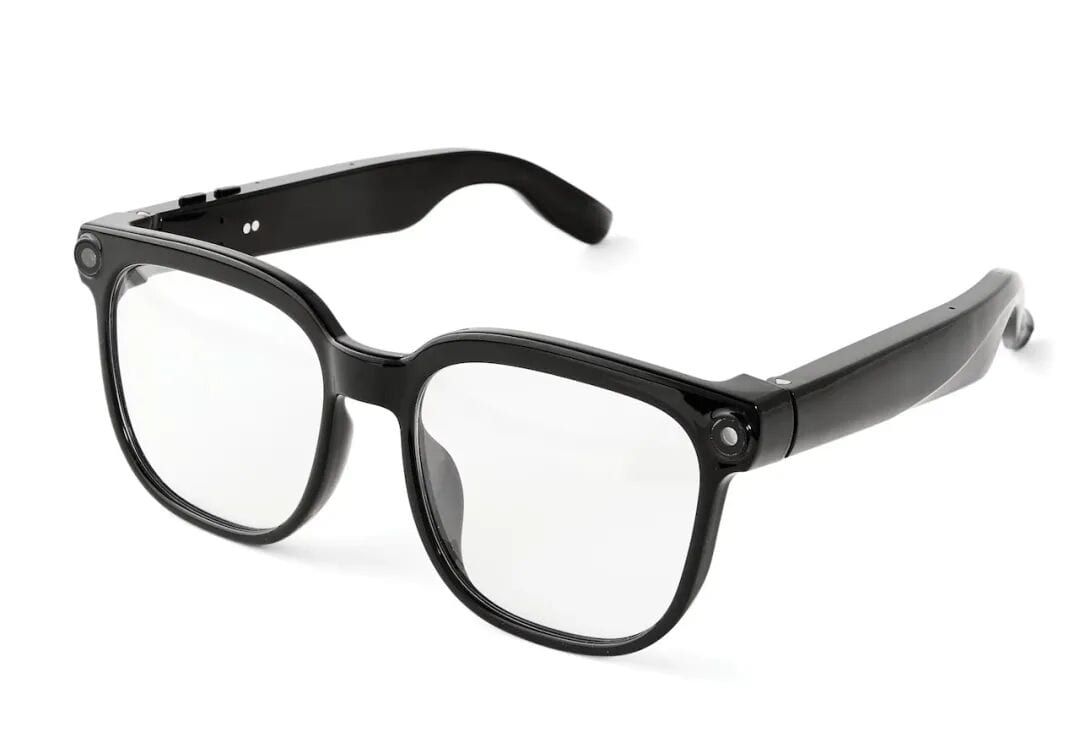
In the past, the responsibility boundary for hardware makers was to build good hardware and prepare complete compliance documents. Now, some regulators follow the data flow upstream to see whose servers store the imagery and whose models use that data, and investigate accordingly. The old overseas expansion model of "white-label hardware + shared app" essentially concentrated compliance risk at the software layer; but today, when one app runs into trouble, a whole string of brands risks being delisted by channels.
03
Three Motivations That Should Not Be Conflated
There is no doubt that the actions above can all be read as privacy protection. Yet a closer look shows that three distinct rationales, not one, actually drove these seven countries to regulate, and they do not overlap.
The first is the privacy and awareness-of-recording rationale, represented by Norway, France, the Netherlands and local councils in Australia. It is also the most common regulatory logic today. Its core question is not whether recording is allowed, but whether bystanders know it is happening.
Under this logic, smart glasses are restricted not because they can record, but because they look like ordinary glasses and can record with no outward sign. Put differently, it is fine as long as the person being recorded knows that I am capturing audio and video.
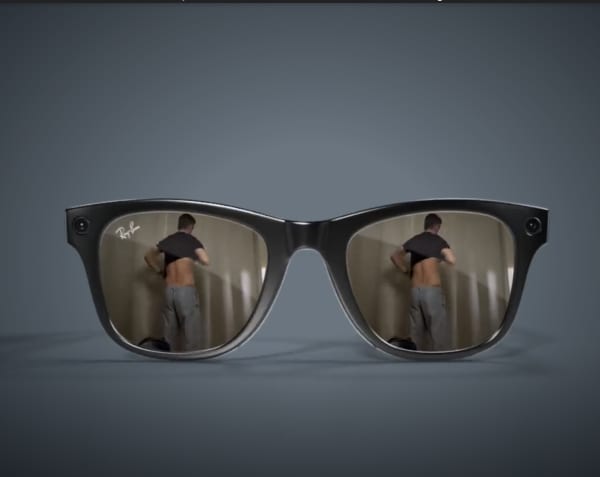
The industry's standard safeguard today is an LED recording indicator, but the design is flimsy to the point of being useless. On e-commerce platforms, so-called light-blocking stickers for mainstream models are openly sold for just a few yuan each, with one listing exceeding 6,000 units sold. The product description plainly states: "No light when shooting, no alarm triggered." Media tests found that once a sticker is applied, bystanders see no indication at all while photo and video capture continue as normal.
Meta later issued a firmware update that blocks video recording when the LED is covered. The patch pinpoints the real issue: regulators are not targeting people who secretly record, but product designs that make covert recording hard to detect.

The second rationale is judicial order and anti-piracy, represented by the courts of England and Wales, New York State courts and UK cinemas. These rules have little to do with privacy; they protect evidence-gathering procedures in court and copyright in cinemas. Overall, they have little connection to the glasses form factor: any device with a camera or microphone must be handed over. These restrictions will persist, are unrelated to privacy disputes, and will not be lifted because products improve.
The third category involves classified information and government security, exemplified by Australian federal government workplaces and biometric investigations in Texas, United States. It focuses on the act of entering a specific space and taking information away, as well as where the facial geometry data collected by devices ends up and whether it has been used to train models.
Therefore, domestic manufacturers should not view this global controversy as a purely privacy issue, nor assume that making the indicator light solid is enough. The underlying logic of regulation and restrictions varies from country to country and place to place.
04
"The Wolf" Has Not Arrived Yet
Overall, the much-hyped round of regulation has proved considerably milder than expected.
Take another look at the ranking in this article: the EU is still assessing, France and Australia have opened investigations, the UK and US have bans in specific locations, the Australian federal government has a ban on government workplaces, the Netherlands has halted retail sales, and Norway is proposing a temporary ban in certain public places.
Take Norway, the strictest case in this roundup. The country has made clear that it will not impose a blanket ban; private use remains permitted, and normal use is unaffected in situations where there is no risk of filming others without their consent. Exemptions will also be carved out for public-interest uses and vulnerable groups. In other words, what Norwegian lawmakers really want is not to ban smart glasses, but to designate certain locations as "smart-glass-free zones."
What about the blanket sales ban that everyone fears most? There is none, not in a single country.
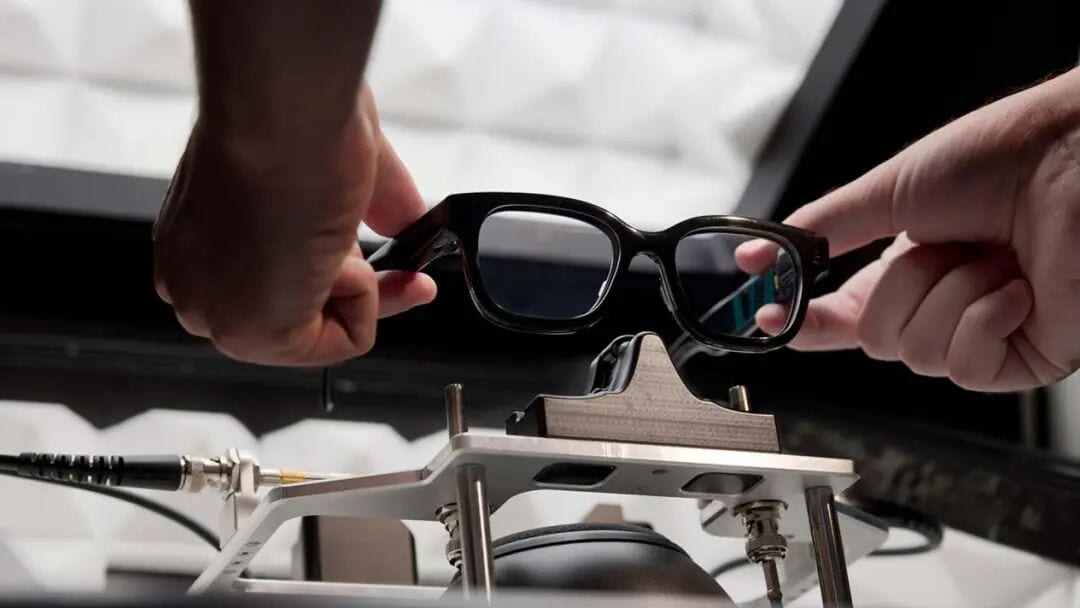
Counterpoint Research estimates that consumer spending on wearable devices will exceed $1 trillion from 2026 to 2032. Meta's Ray-Ban lineup sold more than 7 million pairs in 2025, and according to DigiTimes, Meta is in talks with EssilorLuxottica to raise annual production from 10 million pairs to 20 million pairs.
See the pattern? On one side, courts, parliaments and retailers are drawing red lines at the same time; on the other, the industry is doubling capacity and capital is placing its bets. Strictly speaking, this round of regulation is not about putting out fires, but about finding the most reasonable boundaries - a passive adaptation of existing laws and regulations to new technology products.
IDC expects global smart glasses end-market shipments to exceed 23.68 million units in 2026, with Chinese vendors shipping about 22.67 million units, accounting for 45% of the global market. China shipped 2.46 million smart glasses in 2025, with Chinese brands holding 23% of the global market. Production capacity is even more concentrated: Dongguan alone accounts for nearly half of the world's AI glasses shipment capacity. These figures are both an advantage and a measure of risk.
Having reviewed regulation and safety safeguards abroad, let us briefly turn to China. China is taking a "loose in one area, tight in another" approach.
For now, Chinese judicial authorities have not issued a Norway-style ban on public use. Regulatory tightness comes from industry self-discipline backed by existing laws. At the 2026 AI Glasses Ecosystem Conference in June this year, the Self-Discipline Convention for a Trusted Vision in AI Glasses, drafted under the guidance of the Information and Communications Administration of the Ministry of Industry and Information Technology, was released, with 10 leading companies including Huawei and ZTE signing on. On the legal side, Articles 1032 and 1033 of the Civil Code and Articles 26 and 28 of the Personal Information Protection Law classify voiceprints, gaze trajectories and location trails as sensitive personal information, requiring separate consent for processing. In specific scenarios, the Ministry of Education has explicitly listed smart glasses as prohibited items for the national college entrance examination.
At the same time, policy is also loosening: in 2026, AI glasses were included for the first time in the national subsidy for new digital products, with a 15% subsidy and a cap of 500 yuan per unit. Ministry of Commerce data show that online retail sales of AI glasses rose 161.9% year on year in the first quarter.
Those familiar with the characteristics of Chinese policy will see that the current mix of loosening and tightening is not contradictory. The logic of this combination is to encourage technology while cracking down on misuse. But for manufacturers going overseas, the real problem is that this domestic self-discipline framework cannot simply be transplanted. Foreign customers want not promises, but auditable evidence of technical and data-processing practices.
Conclusion: Privacy compliance is moving from PR rhetoric
to a ticket of entry for going global
Taking everything together, Xingqiu believes overseas-bound manufacturers can do three things right now.
First, shared-app models must fix data compliance first. Disclosure of collection on the app side, storage periods, third-party sharing, and cloud processing paths will all be scrutinized by overseas regulators; writing them into a privacy policy is not enough.
Second, treat channels as the first line of risk. The sales halt by Hans Anders in the Netherlands was an act of self-protection. Retailers often act before regulators do, and once an app or model is named, channels respond far faster than manufacturers' PR teams.
Finally, courts, government offices, and classified facilities are zero-tolerance zones. Before bidding on B2B projects, companies should separately check local bans currently in force. The New York State court rule took effect on July 20, and many bidding teams may not yet have updated their checklists.
Looking back at these seven actions reveals a common thread: none of them bans a pair of glasses. They all answer the same question: when cameras sit on the faces of ordinary people, how should their use be restricted rather than banned outright?
Norway bought time with a temporary injunction, the Netherlands bought safety distance through delisting, Australia used an investigation to force the software maker into the open, and courts in the UK and the US applied courtroom rules that long predate smart glasses to the new devices. The methods differ, but the direction is the same. For domestic manufacturers, the most practical takeaway is this: privacy compliance is turning from public-relations talk into a ticket to going global.
Specifically, the question is no longer simply how to respond when something goes wrong, but whether a company can enter distribution channels, bid for contracts, and stay on the shelf. Chinese manufacturers have leveraged their supply chains to secure enormous capacity and market share, but whether that can be converted into overseas profits now depends largely on treating compliance as a baseline capability and a long-term cost, rather than as crisis PR.
Text by R Xingren
Original title : Multiple Countries Move to Restrict Smart Glasses: Bans Are Changing, Watch for Three Overseas Risks
Source: OFweek Optics Network · News · optics.ofweek.com