Huawei Enters External Optics with Ruiying Z10 Module Camera on Mate 90 Series
华为入局外置光学!Mate 90模块相机亮相,专为AI影像打造?
Topics and contents
Topic
On this page
Huawei officially announced on September 29 that the Mate 90 series will launch on October 1, and showed the Huawei Ruiying Z10 module camera in a teaser video, marking Huawei's entry into external optics for mobile imaging.
The external optics track for mobile imaging is really heating up now.
On September 29, 2026, Huawei officially announced that the all-new Mate 90 series will be unveiled on October 1, and also released a teaser video for the new phone. As Huawei's annual flagship, the Mate 90 series certainly deserves our attention. But many sharp-eyed fans will have noticed that in this teaser video, Huawei also gave the Mate 90 a One More Thing — the Huawei Ruiying Z10 modular camera.
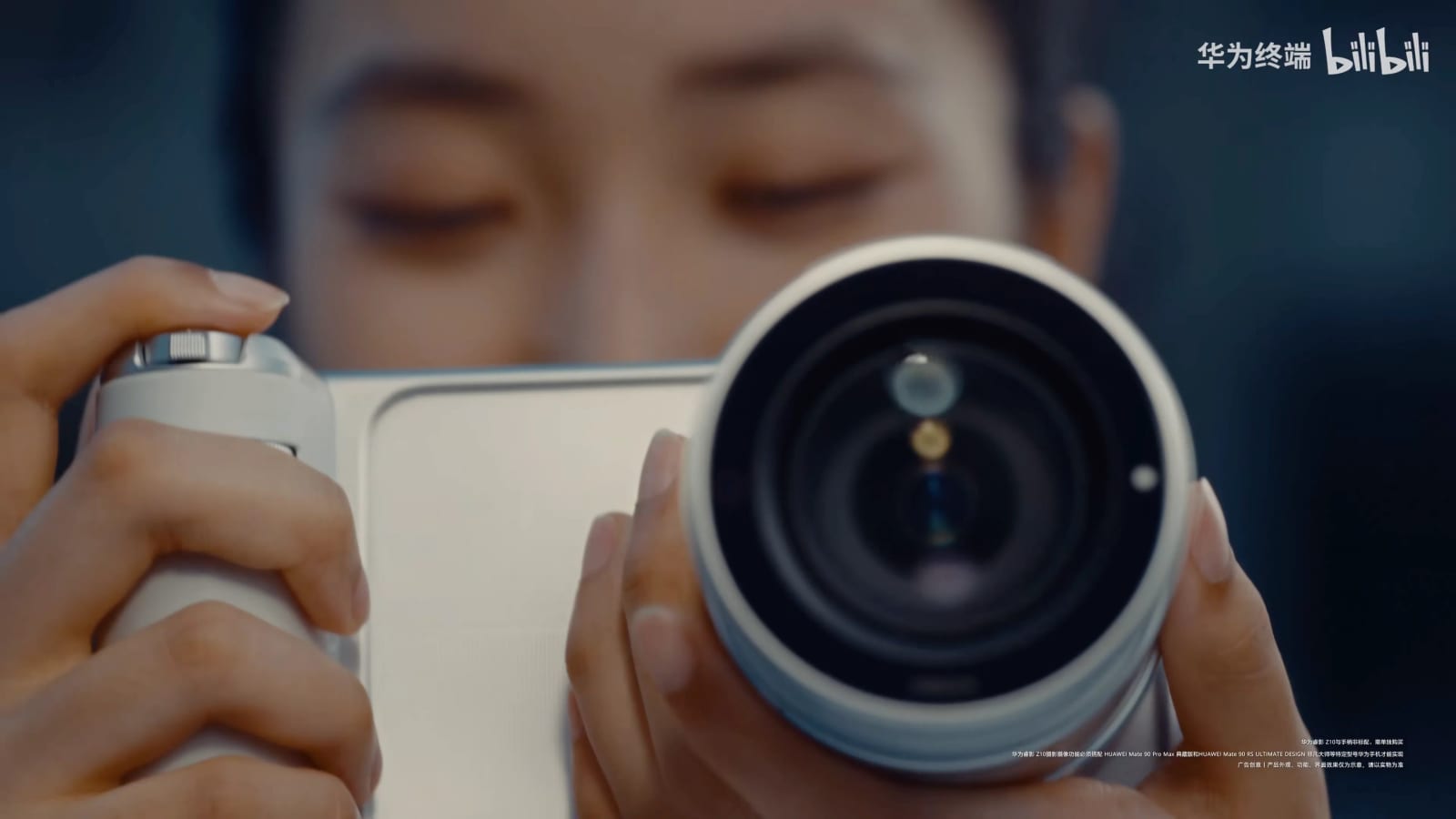
Image source: Huawei
Although the product has not yet been officially launched, seeing its design has already prompted plenty of comments: "External lenses have been around for years." Sony, Lenovo (Moto), OPPO and Xiaomi have all done similar things before. Setting aside external optical solutions that include a sensor, a number of smartphone brands are now equipping their flagships with first-party teleconverters to improve ultra-long-range telephoto performance.
So why, in 2026, is Huawei choosing the relatively traditional external optical approach "with its own sensor"?
Teleconverters are cheap, but they can't deliver the image quality Huawei wants
Compared with modular optical systems that include a base, the advantages of a teleconverter approach are obvious: the lens structure is simple, costs are manageable, and there is no need to worry about compensating for autofocus, color, stabilization and distortion control on the phone itself after adding the teleconverter. Just mount a small telescope on the back of the phone and you're done.
Of course, some high-end teleconverters on the market today do offer a complete imaging solution, using their own camera app for software EIS crop stabilization, and even employing high-end optical glass elements. But since teleconverter solutions still rely on the phone's original sensor, in Leitech's view, the ceiling for teleconverter products is not particularly high.
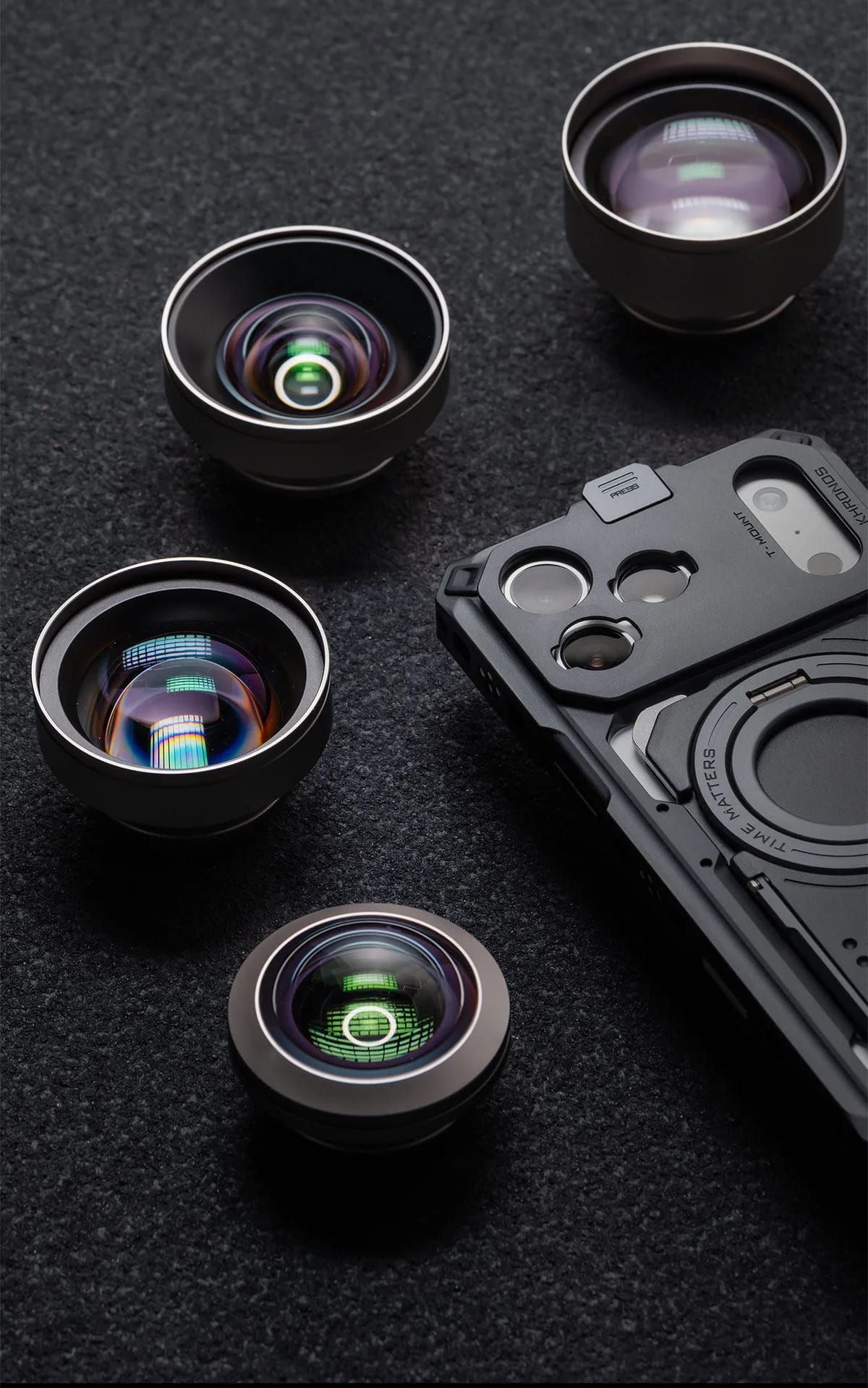
Image source: Tilta
A modular optical solution with a built-in sensor is essentially a screenless digital camera for your phone, so its optical ceiling is very high and its image quality can generally match digital cameras from the M43 era. The problem is that a sensor-equipped modular optical solution means higher technical barriers and hardware costs, while issues such as heat buildup during long shooting sessions and latency in wireless image transmission also seriously affect the user experience.
Beyond that, in the era of AI photography, a camera's optical quality has long ceased to be the sole determinant of photo quality; the phone's own AI processing power matters just as much. And modular optical solutions like these can match flagship phones neither in hardware performance nor in the hardware update cycle.
That is why, faced with the lower-cost option of teleconverters, manufacturers naturally abandoned the modular optics approach — a technical route that delivers half the result for twice the effort.
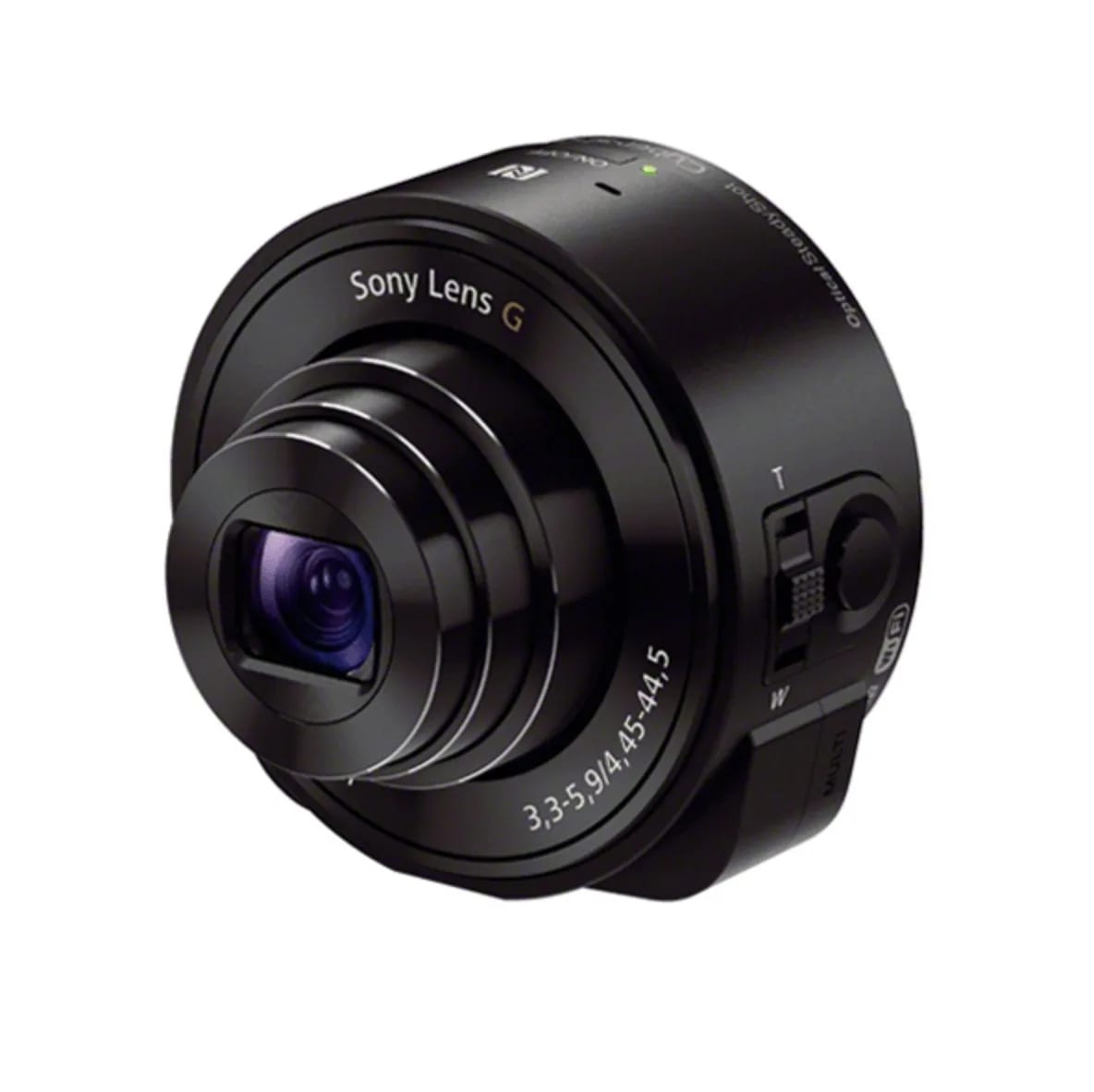
Image source: Sony
That said, compared with the era when screenless cameras first appeared, mobile wireless communications technology has changed dramatically over the past 10 years. WiFi-based image transmission is now a mature technology, not to mention that Huawei itself has NearLink, a high-bandwidth, low-latency wireless transmission technology.
So in Leitech's view, at least for a brand like Huawei, a modular optics solution based on wireless transmission may not necessarily repeat the mistakes of the first-generation screenless cameras.
Modular optics is a natural fit for the AI imaging era
The question is, using AI to compensate for the physical limitations of optics has become a consensus among smartphone brands in mobile imaging in recent years. Aggressive players like Google have handed ultra-telephoto photography entirely to AI computation. If AI can already break through optical limits, why does Huawei still need to push ahead with modular optics?
In Leitech's view, it is because modular optics is inherently suited to the AI imaging era.
Looking back at the evolution of mobile imaging technology, it is clear that what has truly driven leaps in the imaging experience has never been a single hardware spec, but the growing weight of computing power and algorithms in the imaging pipeline. From multi-frame HDR and night-mode algorithms to the AI noise reduction, semantic segmentation and real-time video processing that have now become standard, mobile imaging has long since evolved from "shoot first, edit later" to a systems engineering discipline of "computing while shooting."
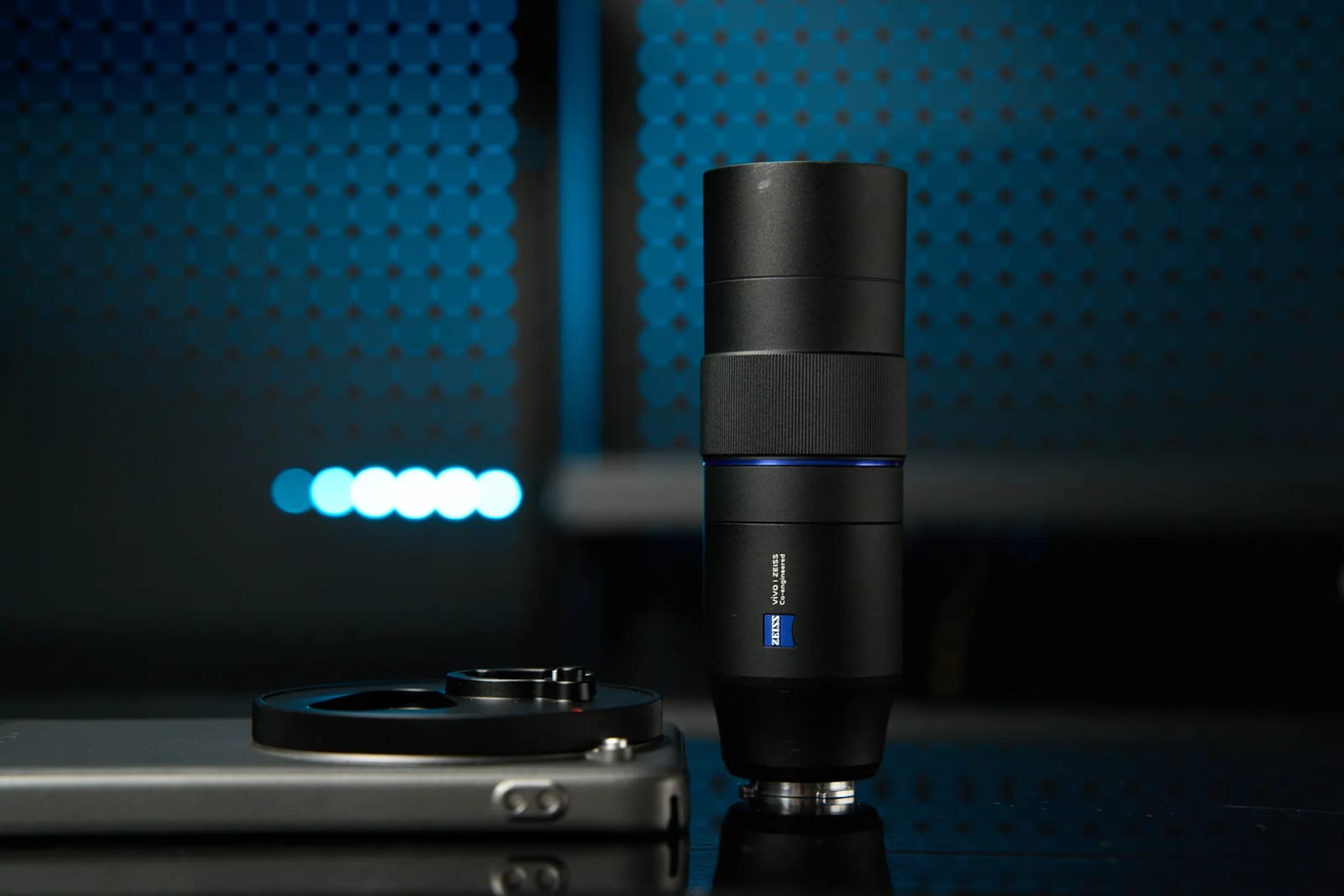
Image source: Leikeji (雷科技)
But optical hardware iterates far more slowly than chips and algorithms. A high-spec lens or a large-format sensor can often be used for years, while the ISP and AI algorithms on smartphones change noticeably with almost every generation. As imaging becomes increasingly dependent on computing power, permanently welding all optical capability into the phone body actually makes the imaging system's upgrade path rigid.
The modular optics concept introduced by smartphone brands solves this problem perfectly — by separating the high-spec sensor and optical system, manufacturers effectively split the imaging system into two tiers with completely different update cycles:
The top tier is the relatively stable, long-cycle optical layer; the bottom tier is the fast-iterating computational layer that depends heavily on chip upgrades. As long as the phone keeps receiving updates, algorithms and computing power can continue to evolve, while the lens itself will not quickly become obsolete due to changes in software and algorithms.

Image source: Leikeji (雷科技)
Looking further ahead, the real value of this system lies in its ecosystem. Once users buy the dedicated phone case, lens and grip, as long as the lens can serve for years like a camera mount, external optics becomes more than a novelty — it becomes a creative tool built for long-term use.
Of course, for it to become a creative tool, the prerequisite is naturally that Huawei is willing to provide software updates and hardware support for it over the next few years. After all, given the current state of the market, we have yet to see a modular optics product that truly sustains its development.
Can an all-new photography mode open up a new accessories market?
That said, in Leitech's view, Huawei's modular camera could well revive a category the industry once abandoned. For one thing, over the past two years, external optics have already become one direction for smartphone imaging, and other brands have done the work of creating demand and educating users. Huawei only needs to drop its own product into this "new folder."
Second, a modular camera in the AI era must offer AI photography capabilities to qualify as a passable product. In the HarmonyOS ecosystem, Huawei has a unique advantage in hardware-software synergy. As long as Huawei is willing, it can make this modular camera "stay fresh with frequent use" under HarmonyOS, just like Huawei phones.
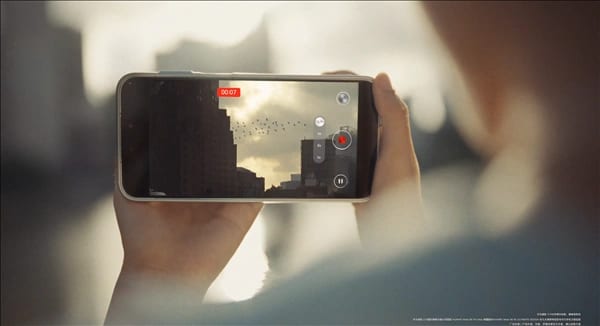
Image source: Huawei
Moreover, Huawei has already become the bellwether for smartphone product design in China in recent years. Its entry could well prompt other manufacturers to move into the modular camera category and build it into a complete imaging ecosystem akin to action cameras and gimbal cameras.
But according to the leaks, Huawei's modular camera currently supports only two models: the Mate 90 Collector's Edition and the Ultimate Design edition. The leaked module price of 5,000 to 6,000 yuan is not cheap either. The accessories market is a numbers game based on installed base. If too few modules are installed, third-party optics makers will have no incentive to develop lenses, and filling out focal lengths or building a thriving ecosystem will be out of the question.
To return to the opening point, Leikeji has always believed that in today's smartphone imaging race, whether a maker can open up a path beyond the phone body matters far more than the performance of any single module.
Huawei's Ruiying Z10 modular camera takes the imaging capability that cannot fit inside the phone body and turns it into a module that can be priced and iterated on independently, first testing whether this approach works with the users most willing to pay. It does not need to be a smash hit from day one; as long as users believe this lens can carry over to the next generation, this business has a chance to grow.
Of course, this is all analysis by Leikeji based on existing leaks. On October 1, the day of the launch event, the moment the price is revealed, the question of whether the modular camera approach can work will answer itself.
Source: OFweek Optics Network · News · optics.ofweek.com