Xie Liqun, Deputy Director of the Zhejiang Provincial Advisory Committee, Leads a Delegation to Hangzhou Institute of Optics and Fine Mechanics for Research and Guidance
Topics and contents
Xie Liqun, Deputy Director of the Zhejiang Provincial Advisory Committee, led a research group to the Hangzhou Institute of Optics and Fine Mechanics for a dedicated study visit, accompanied by Yu Weiying, Director of the Hangzhou Municipal Advisory Office. Zhang Long, founder of the Hangzhou Institute of Optics and Fine Mechanics, presented the science and technology innovation model of integrated investment, incubation and cultivation with end-to-end selection, training and grafting, along with institutional challenges and policy requests. The parties exchanged views on the commercialization of hard optoelectronic technology, cultivation of scientist entrepreneurs, and the angel investment ecosystem. The research group affirmed its hard-tech incubation path and said it would compile opinions and suggestions to improve the supply of science and technology innovation policies.
On the morning of October 23, Xie Liqun, deputy director of the Zhejiang Provincial Advisory Commission, led a research group from the commission on a dedicated visit to the Hangzhou Institute of Optics and Fine Mechanics (hereinafter, Hangzhou Institute of Optics). Yu Weiying, director of the Hangzhou Municipal Advisory Office, accompanied the visit. Leaders from the Fuyang District Party Committee Office, the District Economy and Information Technology Bureau, the District Science and Technology Bureau, the New City Administrative Committee, and the Hangzhou Institute of Optics attended the symposium.
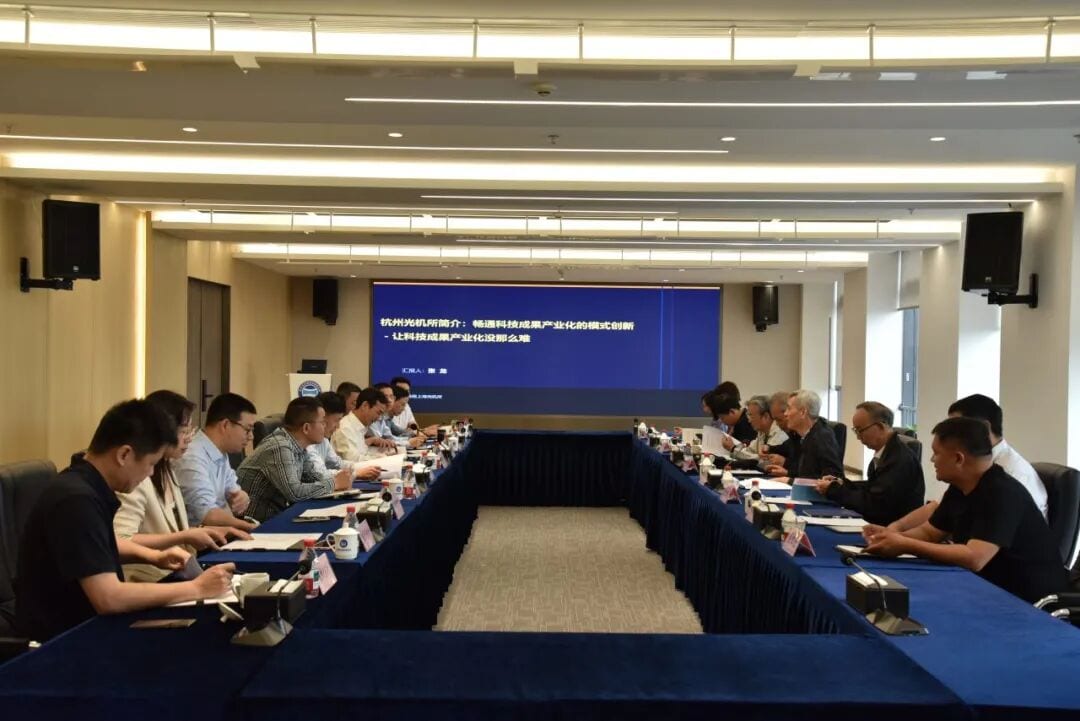
At the meeting, Zhang Long, founder of the Hangzhou Institute of Optics and Mechanics, delivered a special report covering the institute's positioning, development achievements, its core innovation model of integrated investment, incubation and cultivation with end-to-end selection, training and commercialization, the institutional and systemic challenges it currently faces, its next-stage development plan and policy requests. After the report, participants held in-depth discussions and exchanged views on commercializing optoelectronic hard-tech results, nurturing scientist entrepreneurs, building an angel investment ecosystem, providing institutional support for new R&D institutions, and fostering the industrial ecosystem. Relevant leaders of Fuyang District outlined local support measures and spoke highly of the hard-tech incubation path developed by the institute. They said the local government will continue to provide support in space and facilities, policy supply, operating mechanisms and industrial coordination, and expressed the hope that the institute will further leverage its platform strengths, work with Fuyang's local optoelectronics industry, advance deep integration of industry, academia and research, and help upgrade the region's future industries.
Xie Liqun, deputy director of the provincial advisory commission, spoke highly of the distinctive model developed by the Hangzhou Institute of Optics in building new R&D institutions, commercializing hard-tech achievements, and incubating scientist-led startups. The research team believes that deeply integrating technological and industrial innovation is a key lever for developing new quality productive forces. Translating research results is not a "follow-up task" for research institutes, but an indispensable link in the complete innovation chain. By defining its role clearly and confronting the real pain points of commercializing scientific and technological achievements, the Hangzhou Institute of Optics has forged a science and innovation development path with demonstrative value.
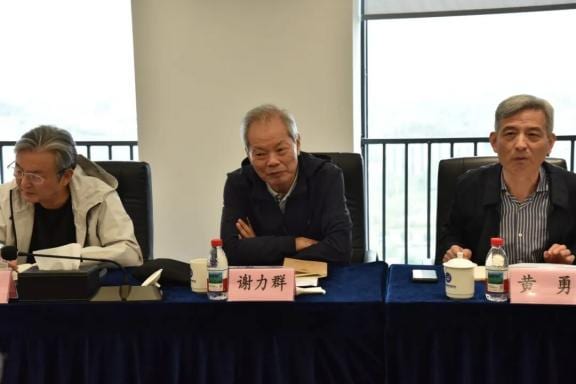
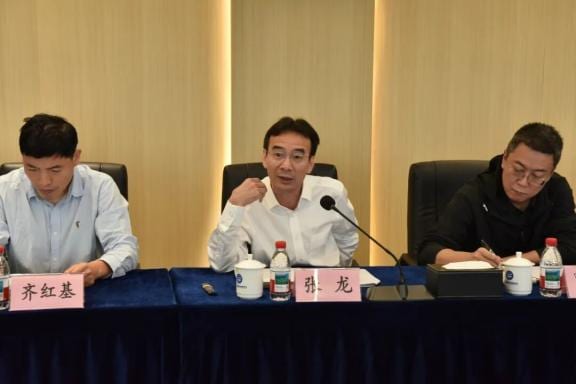
The research team carefully listened to the institutional and policy bottlenecks and difficulties encountered during the platform's development, as well as its policy requests. It said it would fully review the opinions and suggestions collected during this research to provide a reference for further improving the supply of science and technology innovation policies, helping the platform break through development bottlenecks and further unleash innovation momentum. At the same time, the research team stressed that hard-tech entrepreneurship is a relay race that requires the coordinated efforts of scientists, entrepreneurial teams, investment institutions and the government. It expressed the hope that Hangzhou Institute of Optics and Fine Mechanics would continue to uphold its positioning and keep innovating its technology transfer model, so as to contribute more practical experience to the development of new-type R&D institutions across the province.
Next, Hangzhou Institute of Optics and Machinery will earnestly absorb the guidance provided during this research visit, continue to deepen its focus on hard-tech photonics, strengthen its distinctive model of integrated investment, incubation and cultivation with end-to-end selection, training, bridging and connection, and keep improving full-chain services covering talent recruitment and development, proof of concept, angel investment and industrial empowerment. It will gather high-end innovation resources, build a thriving innovation ecosystem for hard-tech photonics, and promote the commercialization of more scientific and technological achievements, contributing greater strength to Zhejiang's development of new quality productive forces and its building into a leading province in science and technology.
Source: Hangzhou Institute of Optics and Fine Mechanics · Recent Highlights · hiom.ac.cn