Qualcomm Sources: Low-Priced VR Dream in Doubt
高通内部消息!VR设备的“低价梦”悬了
Topics and contents
Internal Qualcomm sources indicate that VR headset processor costs are hard to cut, casting doubt on the outlook for low-cost VR.
Click the blue text to follow us
As the world's largest smartphone chipmaker, Qualcomm is also the top supplier of processors for nearly every standalone VR headset today. However, according to the latest news on the evening of July 28, the "heart" powering many VR devices is set for a significant price increase, adding new uncertainty to the consumer VR market already under cost pressure.
According to an email Qualcomm sent to customers last Friday and obtained by Bloomberg, the company plans to raise chip prices by a double-digit percentage starting September 1, 2026. Qualcomm explained in the letter that although it has tried to source alternative components from new supply channels, it can no longer absorb the continuously rising costs from upstream suppliers. The price increase will undoubtedly push manufacturing costs higher for downstream hardware makers.
The price adjustment comes amid a persistent shortage in the global memory chip and RAM markets. Driven by the AI data center construction boom, demand for related electronic components has surged, pushing consumer electronics prices up across the board. Qualcomm's increase adds fresh pressure on top of that. Bloomberg noted that TSMC, the main hub for global outsourced chip manufacturing, has become a critical bottleneck in the supply chain. Giants including Qualcomm, Samsung, Xiaomi, and Meta all rely on TSMC's capacity, meaning any cost fluctuation quickly passes through to end products.
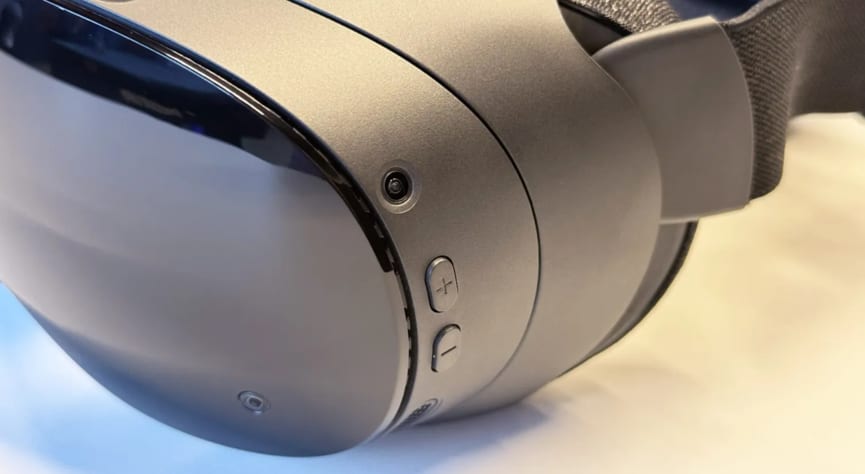
In VR headsets, apart from Apple's Vision Pro, which uses in-house silicon, the vast majority of standalone VR headsets rely on Qualcomm Snapdragon processors. This means a large wave of upcoming products will be directly affected by the price increase. Among them, Valve's highly anticipated Steam Frame headset is squarely in the spotlight, along with Pico's "Project Swan" headset with a separate compute unit and Meta's next-generation device.
For Valve, the Steam Frame still has no announced price or firm release date. Following news of Qualcomm's price hike, concerns about its pricing strategy have grown. While it cannot be said for certain whether this is the main reason Valve has delayed announcing a price, what is clear is that the team must now carefully reconsider the headset's launch plan.
Industry analysts believe Valve may have several options:
First, absorb the increased costs itself, sacrificing some profit to stay competitive; second, raise its internal pricing targets again and bring the product to market at a new, higher price; third, launch as planned, then announce a price increase shortly afterward and apologize to the community.
Whichever route it takes, the bill of materials for the Steam Frame has already risen by several dollars due to the price hike on the Snapdragon 8 Gen 3 chip.
In the short term, the increase will directly affect the upcoming VR headset. In the longer run, smart glasses, augmented reality glasses and other VR devices still in development will not be spared either.
All the companies involved may have to reconsider a core question: is it really necessary to use the most cutting-edge processors to meet market expectations of "top-tier performance," or will a more modest choice become a pragmatic survival strategy under cost pressure?
As things stand, with the memory shortage unresolved and chip costs climbing again, consumer VR hardware is unlikely to see a price breakthrough anytime soon. For players awaiting the Steam Frame, the wait may be about not just time, but how much they will ultimately have to pay for the experience.
Text by 修女 (Xiunv)
Original title : Qualcomm insider news! The "low-price dream" for VR devices is in jeopardy
Source: OFweek Optics Network · News · optics.ofweek.com