iPhone 18 Pro Max Shoots Victoria Harbour Fireworks: Apple's Imaging Approach Shifts
Topics and contents
After shooting Victoria Harbour fireworks with the iPhone 18 Pro Max, Leikeji concluded that Apple adjusted its imaging approach on the 18 Pro series launched on September 10, making the camera capabilities worth attention.
In the early hours of September 10, Apple unveiled the iPhone Duo and the 18 Pro series. Leikeji found that, compared with "Apple's first foldable phone," the iPhone 18 Pro series generated far less discussion: a faster chip, better cooling, faster charging, a smaller Dynamic Island and a stronger camera basically sums up all the updates to the 18 Pro Max.
After getting hands-on, however, Leikeji found that the imaging capabilities of the iPhone 18 Pro series are indeed worth a closer look: unlike the conservative product approach of the past, the camera strategy of the iPhone 18 Pro series is clearly more aggressive, even somewhat unconventional; the addition of variable aperture technology has also shifted the iPhone 18 Pro series cameras from being merely unremarkable to a point where their strengths and weaknesses are equally obvious.
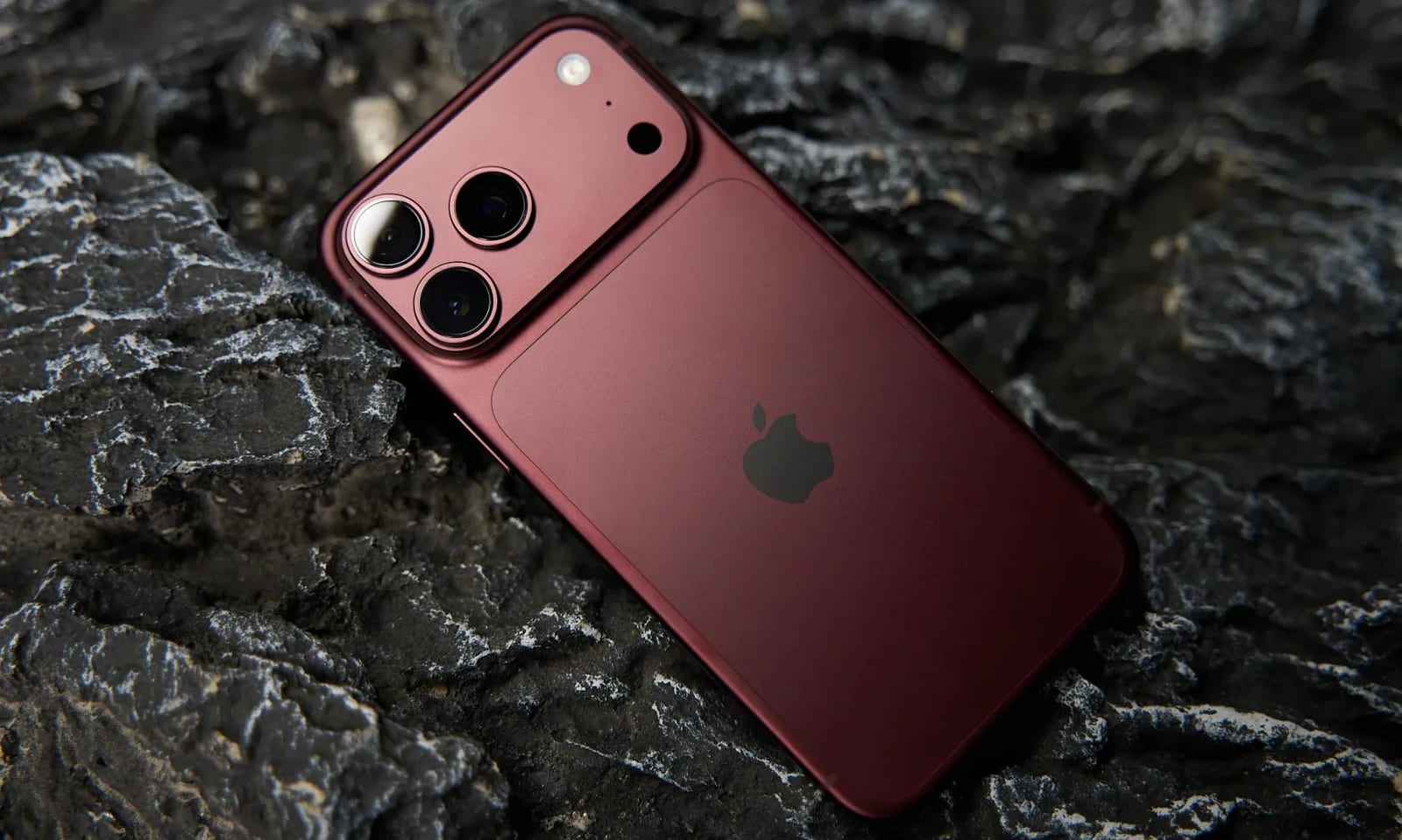
So how does this entirely new camera system actually perform? This National Day holiday, Lei Technology took plenty of photos with the iPhone 18 Pro Max. Let's take a look at the samples.
Exposure and color remain consistently stable
On the hardware side, the iPhone 18 Pro Max still has three 48-megapixel rear cameras: the main camera has an equivalent focal length of 24mm and an aperture that can switch among four settings, f/1.48, f/1.8, f/2.8 and f/4 (this is also the first time the iPhone lets you manually control aperture in the native camera app); the 13mm ultra-wide has a fixed f/2.2 and the 100mm telephoto a fixed f/2.8, neither of which is adjustable. Cropping on the main and telephoto cameras also yields 48mm (2x) and 200mm (8x) focal lengths.
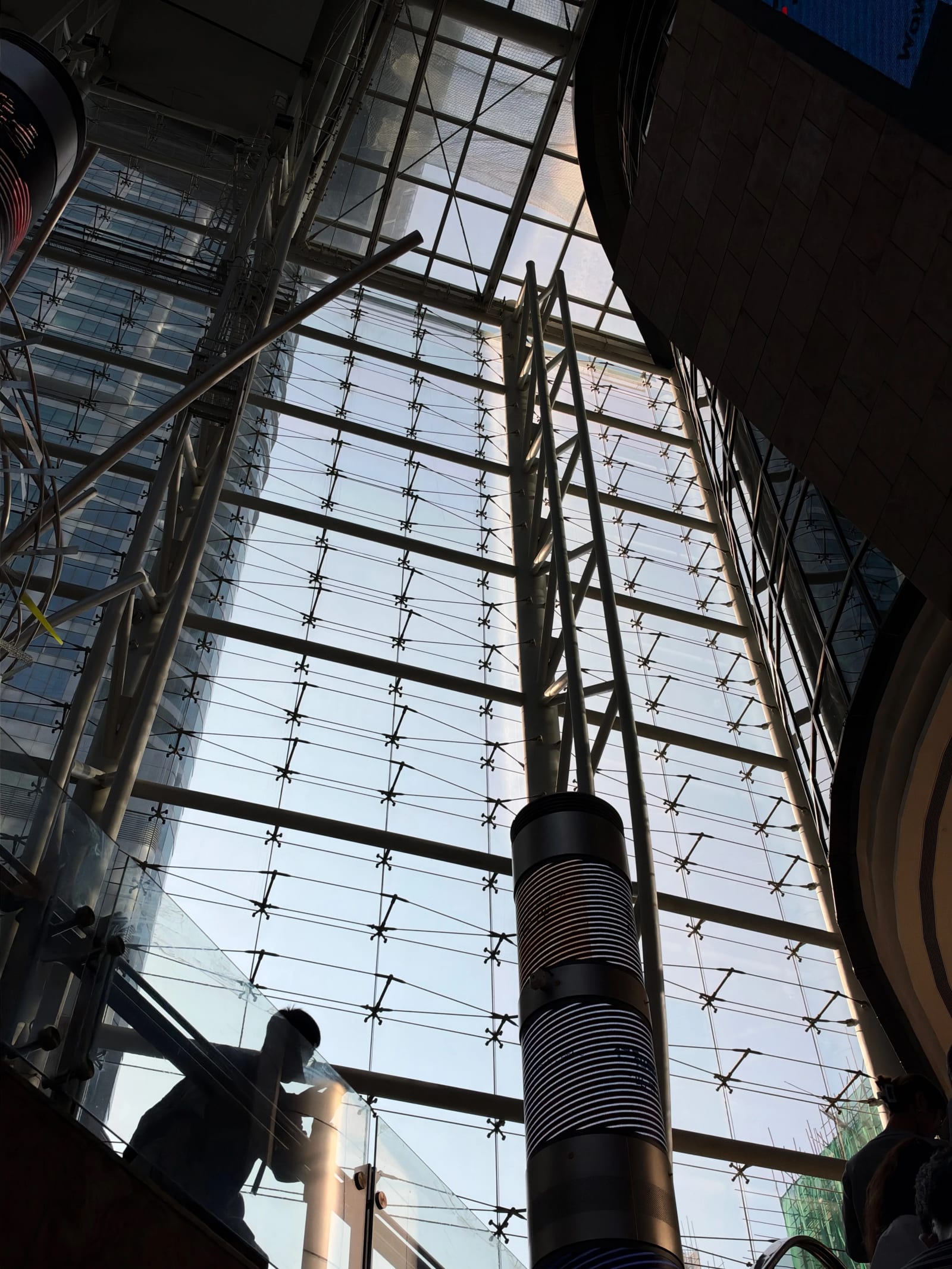
Image source: Lei Technology
In most of these cases, the iPhone 18 Pro Max sample shots are as reliably steady as ever: image brightness is not deliberately pushed up, saturation is not overdone, the white wall reads as white, and there is no color bleed on the red car body. Keep in mind that many Android flagships today tend to make the sky bluer and the leaves greener. It looks appealing at first glance, but after a while every shot looks the same.
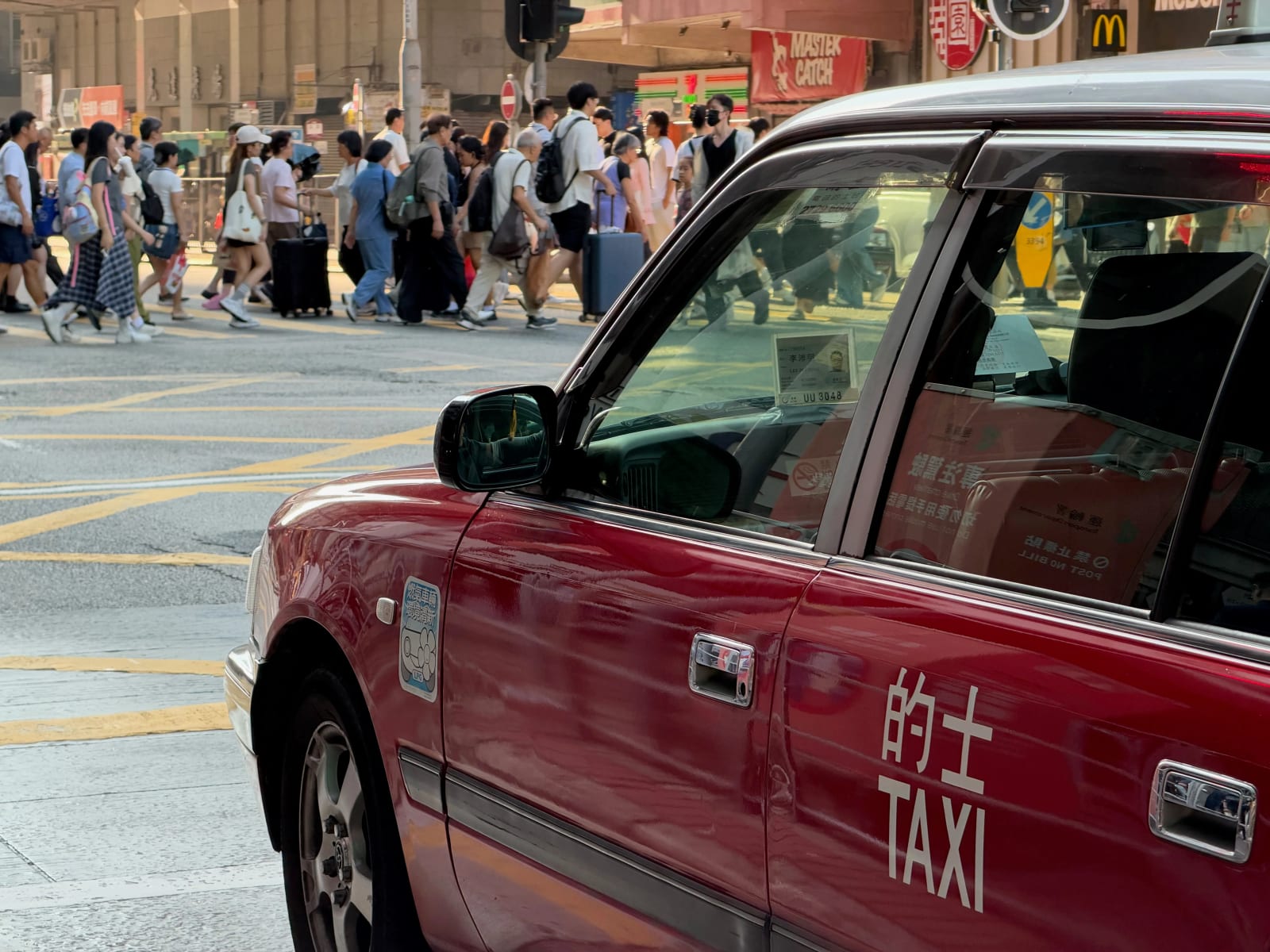
Image source: Leikeji
Of course, the iPhone camera has another worry-free advantage: color consistency. Switching from the main camera to 4x and then to 8x, the image tone barely shifts; the gray of the walls and the yellow of the road surface line up. You do not end up with photos of a different color just because you changed focal lengths. For a long time, color control across multiple cameras has been one of the hardest iPhone traits for rivals to match.
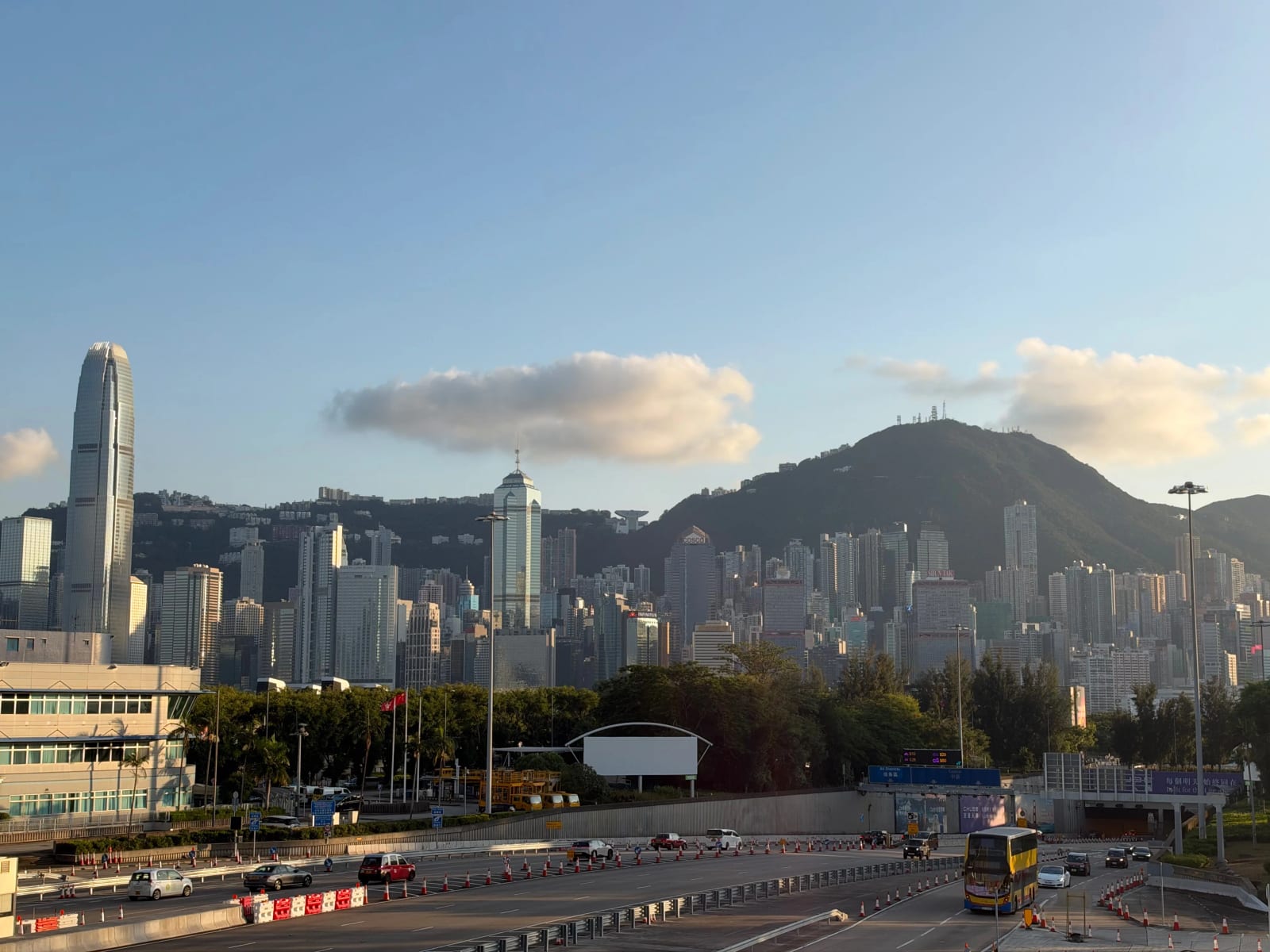
Image source: Leikeji
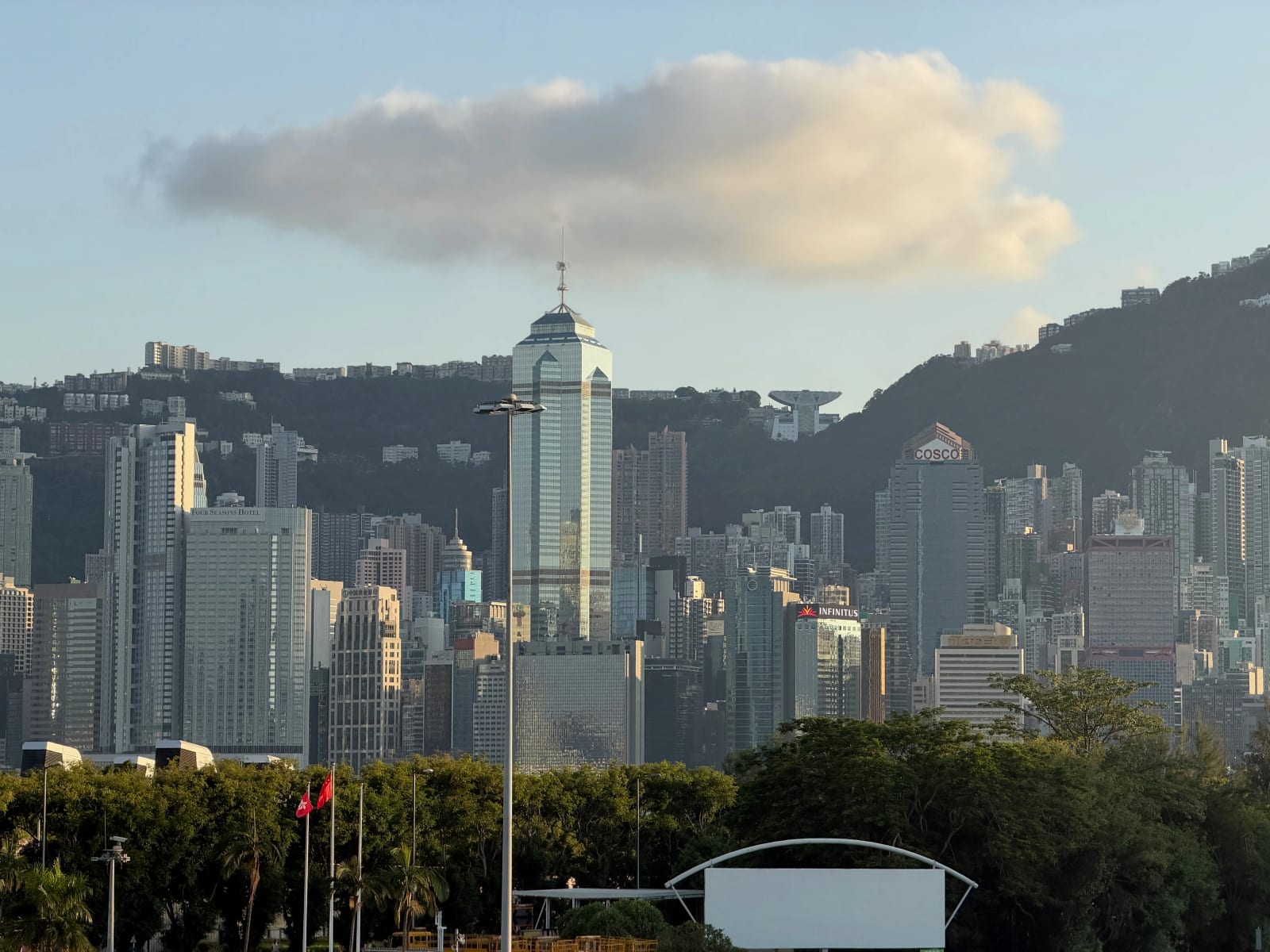
Image source: Leikeji
The iPhone 18 Pro Max also held up well in high-contrast scenes. Shooting from the lobby of the M+ theater toward the windows, the black window frames and people were crushed into silhouettes, while the buildings of Central and the sky outside retained their layers. The highlights were not blown out just to lift the shadows, and a small reflection on the IFC curtain wall was even rendered as a starburst. Switching to the main camera at 2x with the aperture stopped down to f/4, I took another shot, and both foreground and background remained clearly defined.
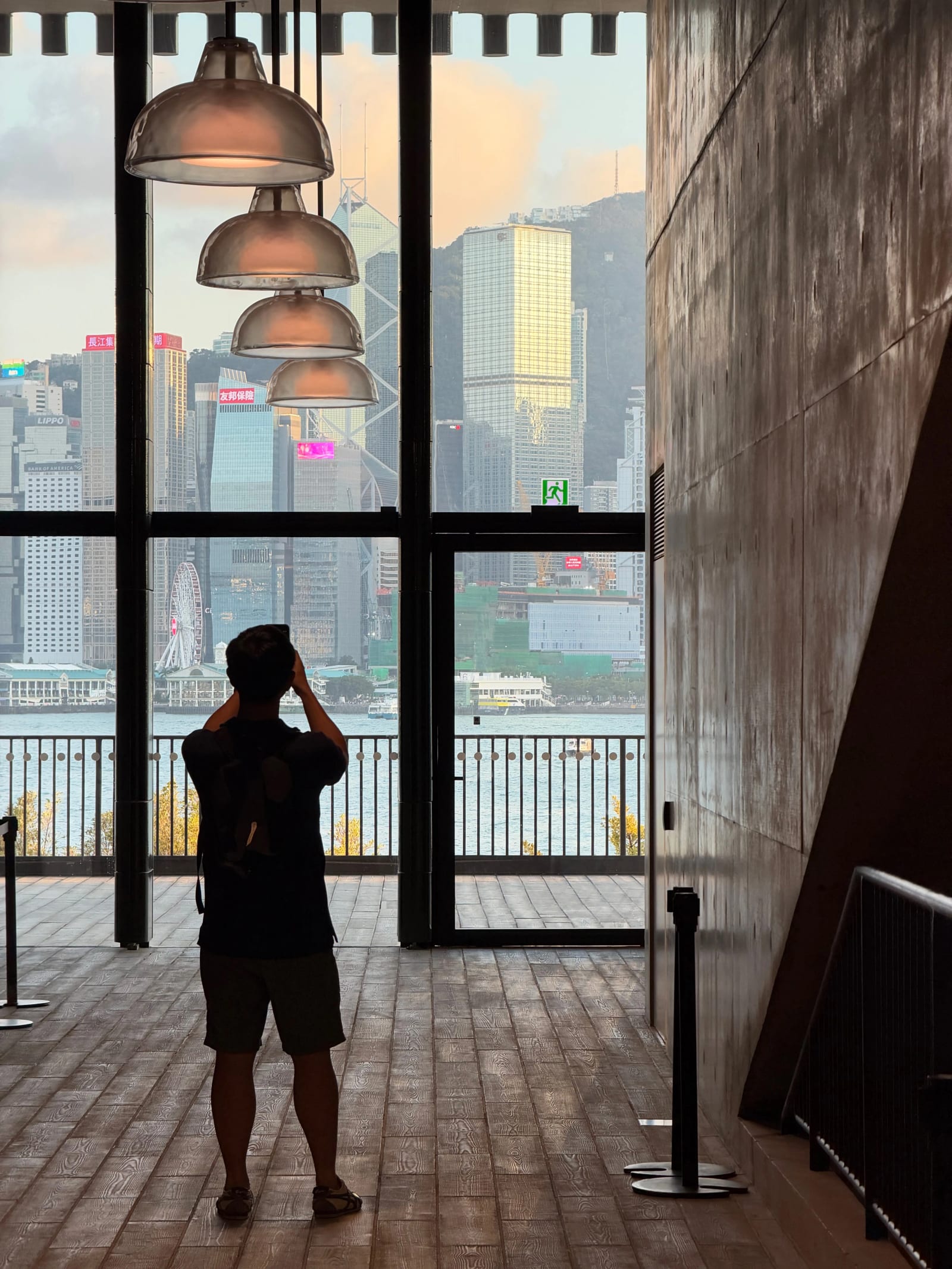
Image source: Leikeji
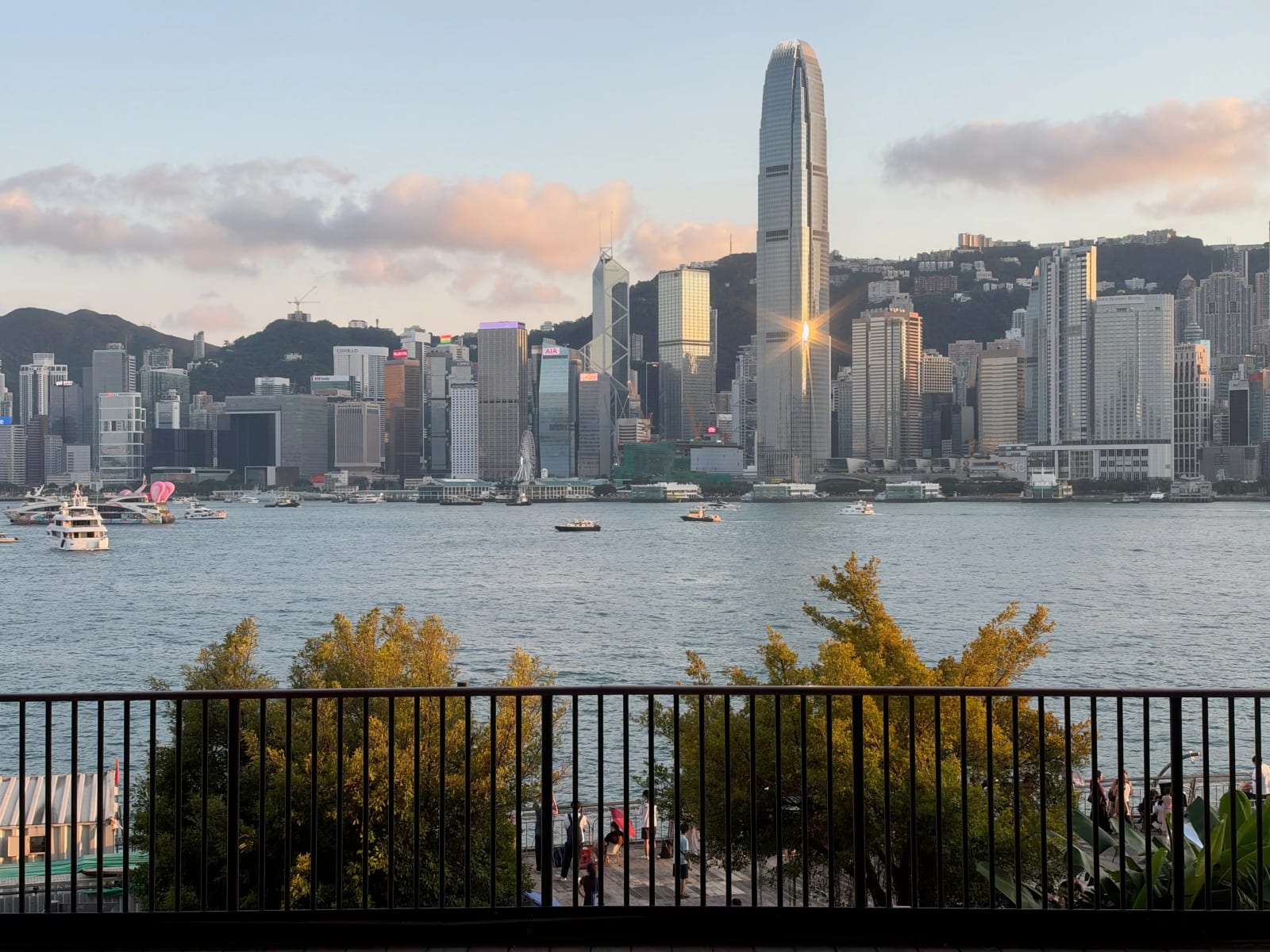 Image source: Leikeji
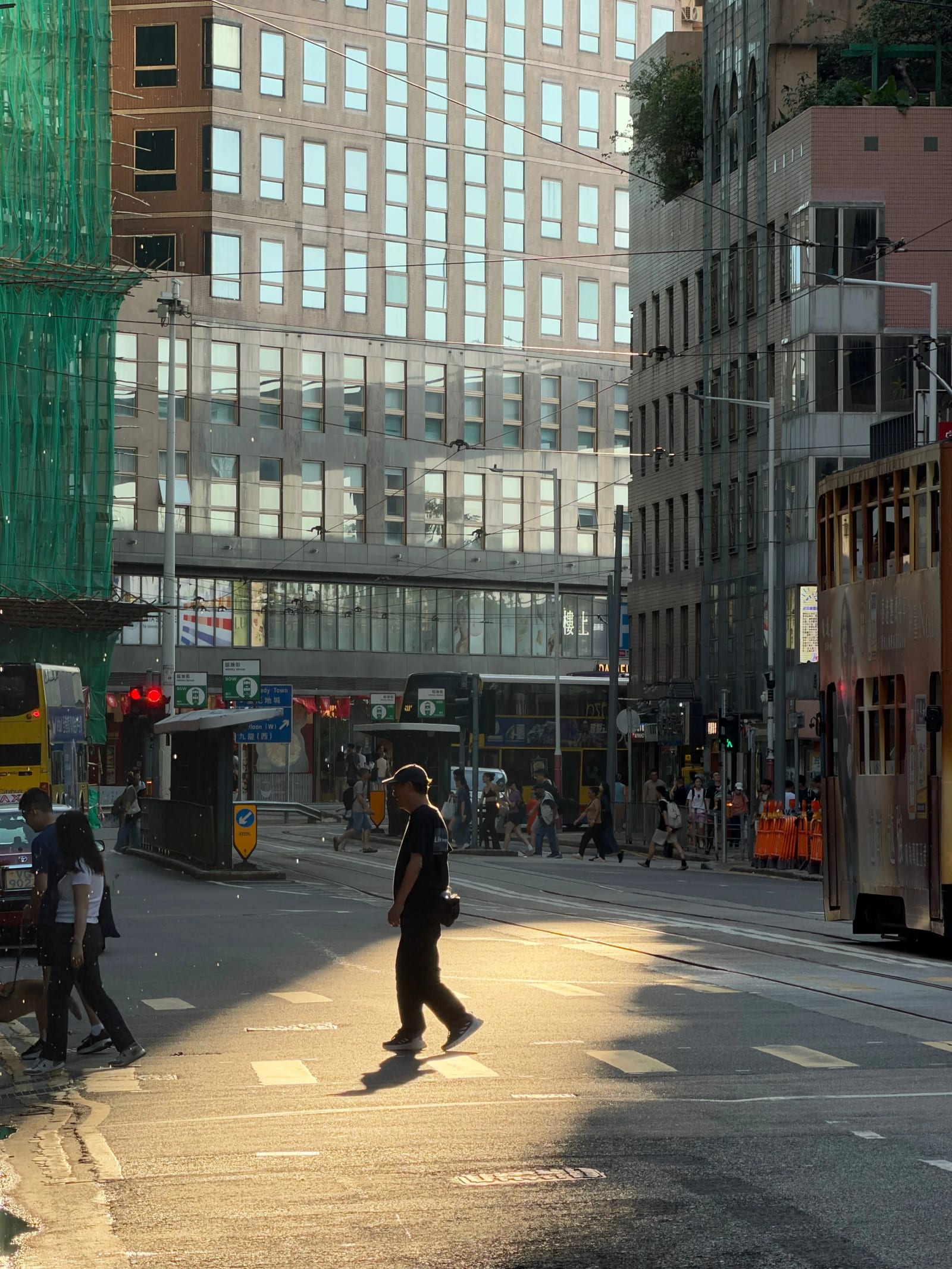
Image source: Leikeji
Speaking of high dynamic range, Leikeji also shot a "classic angle" of the M+ outdoor scene, using a "black-and-white contrast plus film" style to filter out the mixed colors of the ground stone bricks and wall surfaces. The diamond-shaped frame of the Bank of China Tower stands out clearly in the gray tones; the pedestrians and railings in the foreground are compressed into pure black silhouettes, with the shadows rendered solid black while the details are not lost.
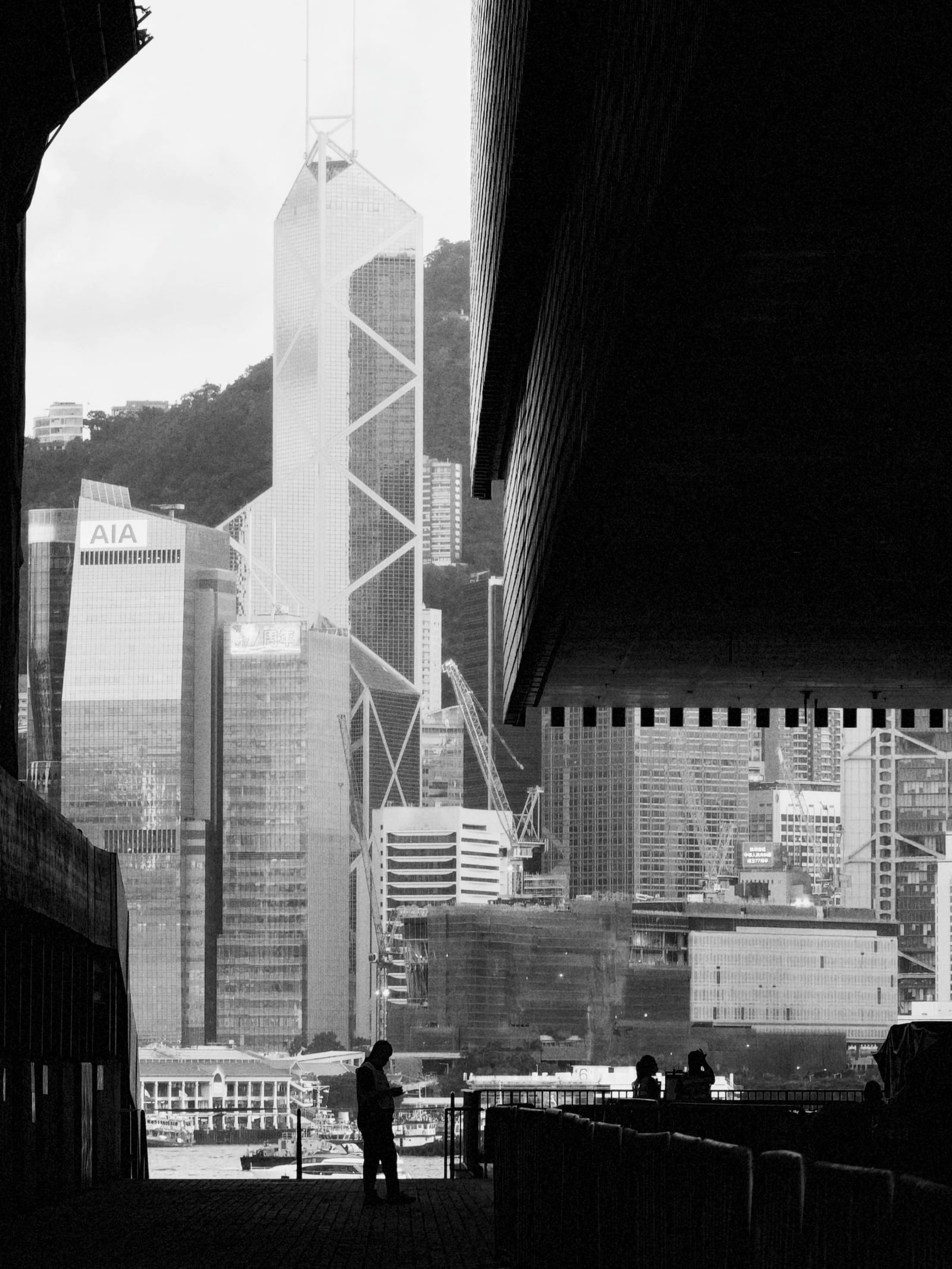
Image source: Leikeji
Since we are talking about camera styles, Leikeji would like to add one more point: in addition to the original photographic styles, the iPhone 18 Pro adds two dimensions, texture and grain, with texture further divided into multiple sub-options. This black-and-white set by Xiao Lei combines black-and-white tonality with film grain.
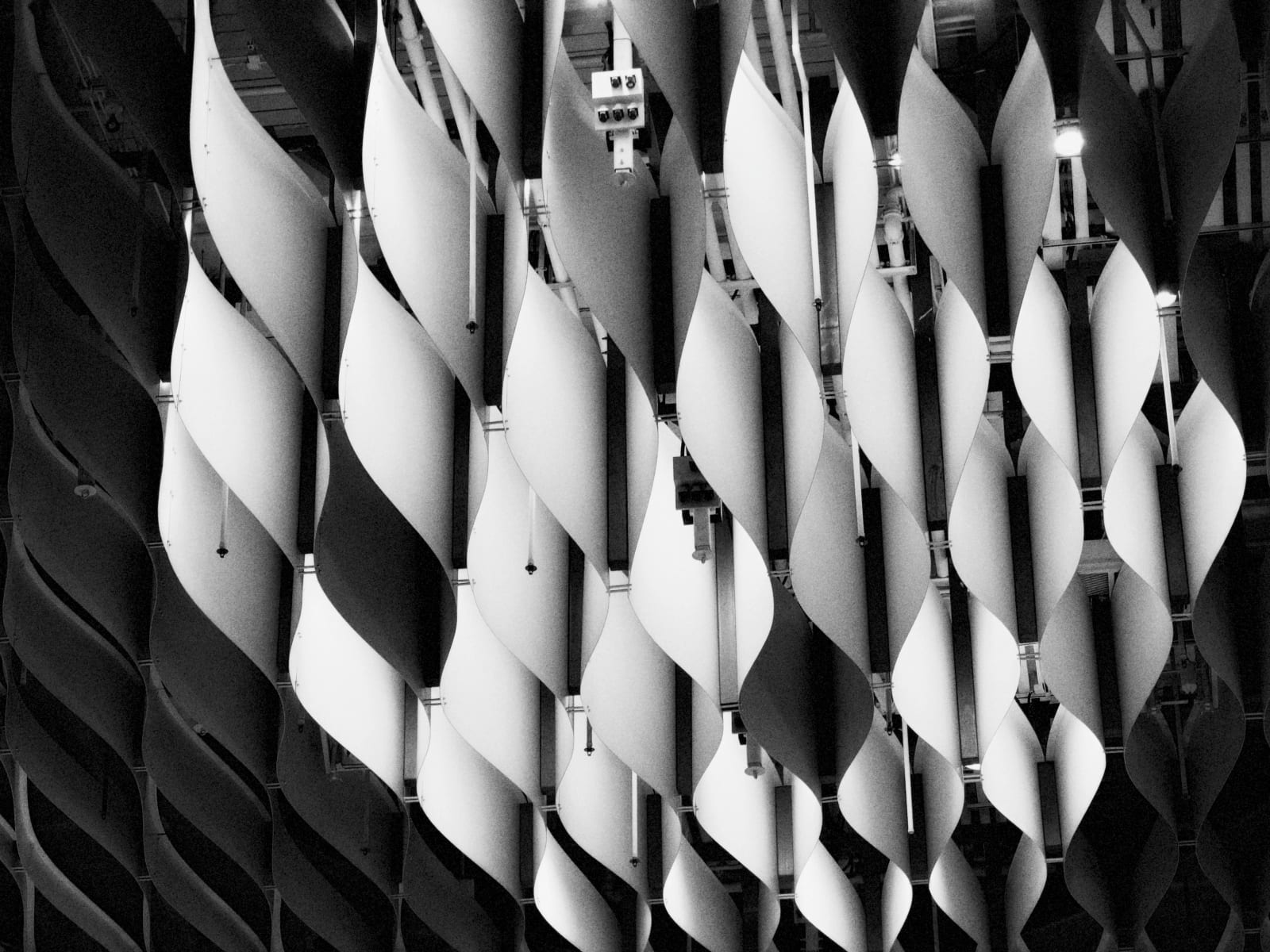
Image source: Leikeji
In Leikeji's view, however, while camera styles have multiplied, the gains in peak image quality remain relatively limited. Judging from the sample shots over the past few days, the daytime image quality of the 18 Pro Max is not as much of an improvement as expected; without zooming in for a comparison, most people probably could not tell which shots were taken with the 18 Pro Max and which with the 17 Pro Max.
Variable aperture produces starbursts, but also introduces flare
Having covered the output side, let us look at the biggest change in this generation: the main camera with variable aperture support.
During the National Day holiday, Xiao Lei typically adjusts the main camera's aperture manually in two scenarios. One is when shooting light sources: stopping down the aperture turns streetlights and building reflections into neat starbursts. This effect, based on real optics, is far more pleasing to the eye than starbursts drawn by algorithms.
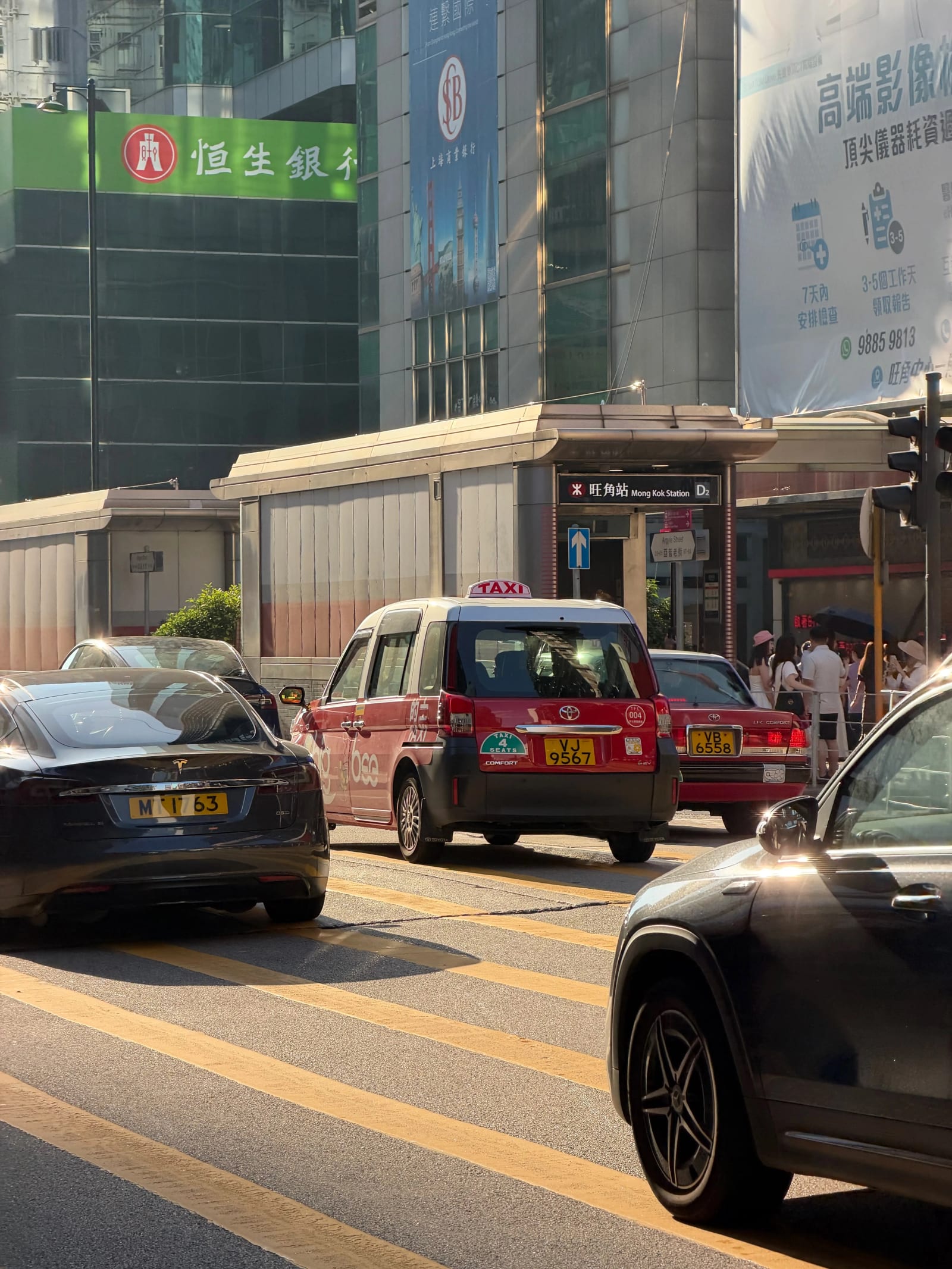
Image source: Leikeji
But the drawback of the large aperture is just as glaring: the iPhone 18 Pro Max has a very obvious lens flare problem.Lei Technology actually flagged this in its launch review, but at the time it was impossible to determine how much the variable aperture affected flare.
This time, Xiao Lei deliberately stopped the aperture down to its minimum before shooting. The photo below was taken at f/4 with the aperture fully stopped down, and the green spots and colored halos still smeared across nearly half the frame.
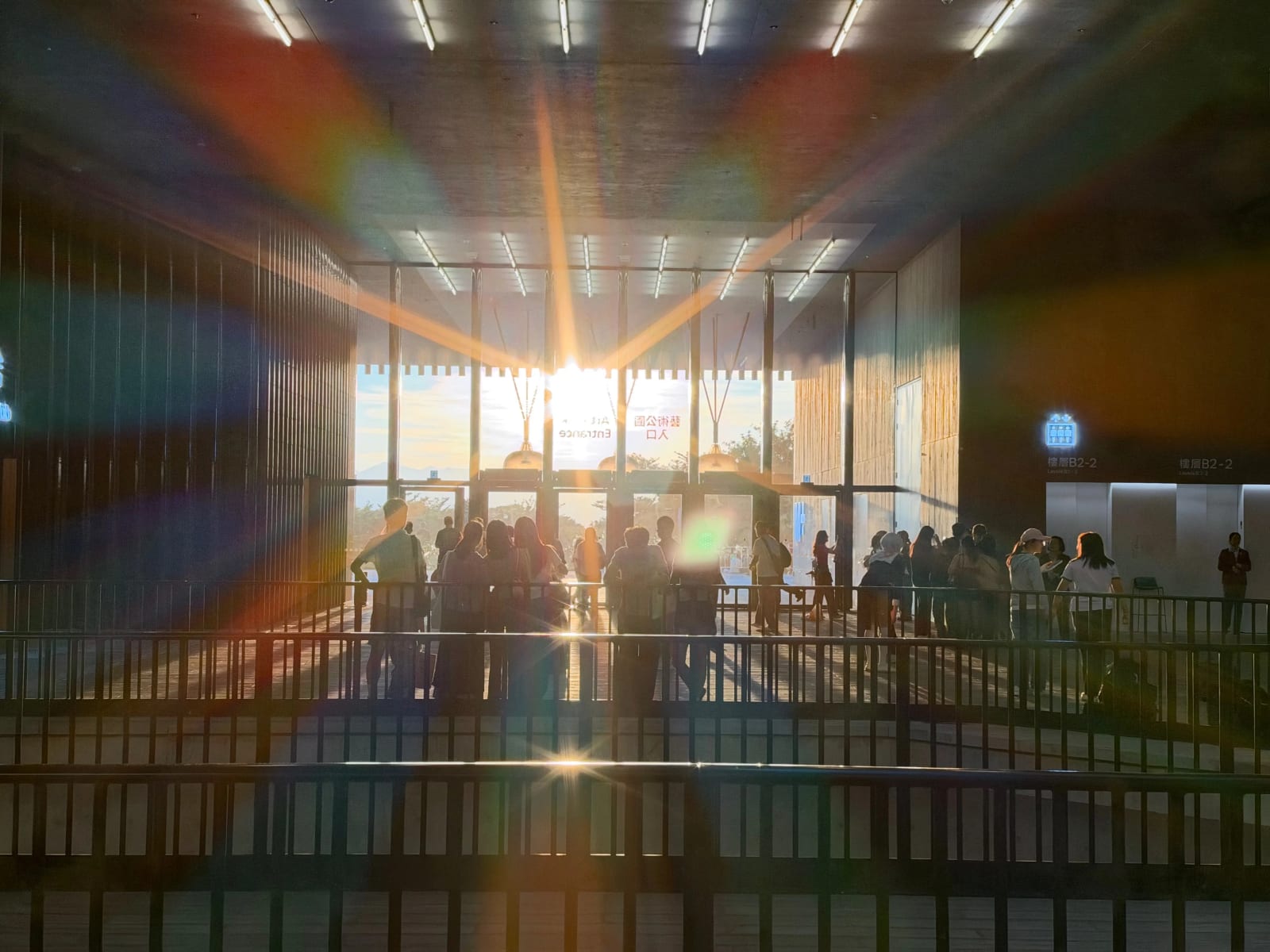
Image source: Lei Technology
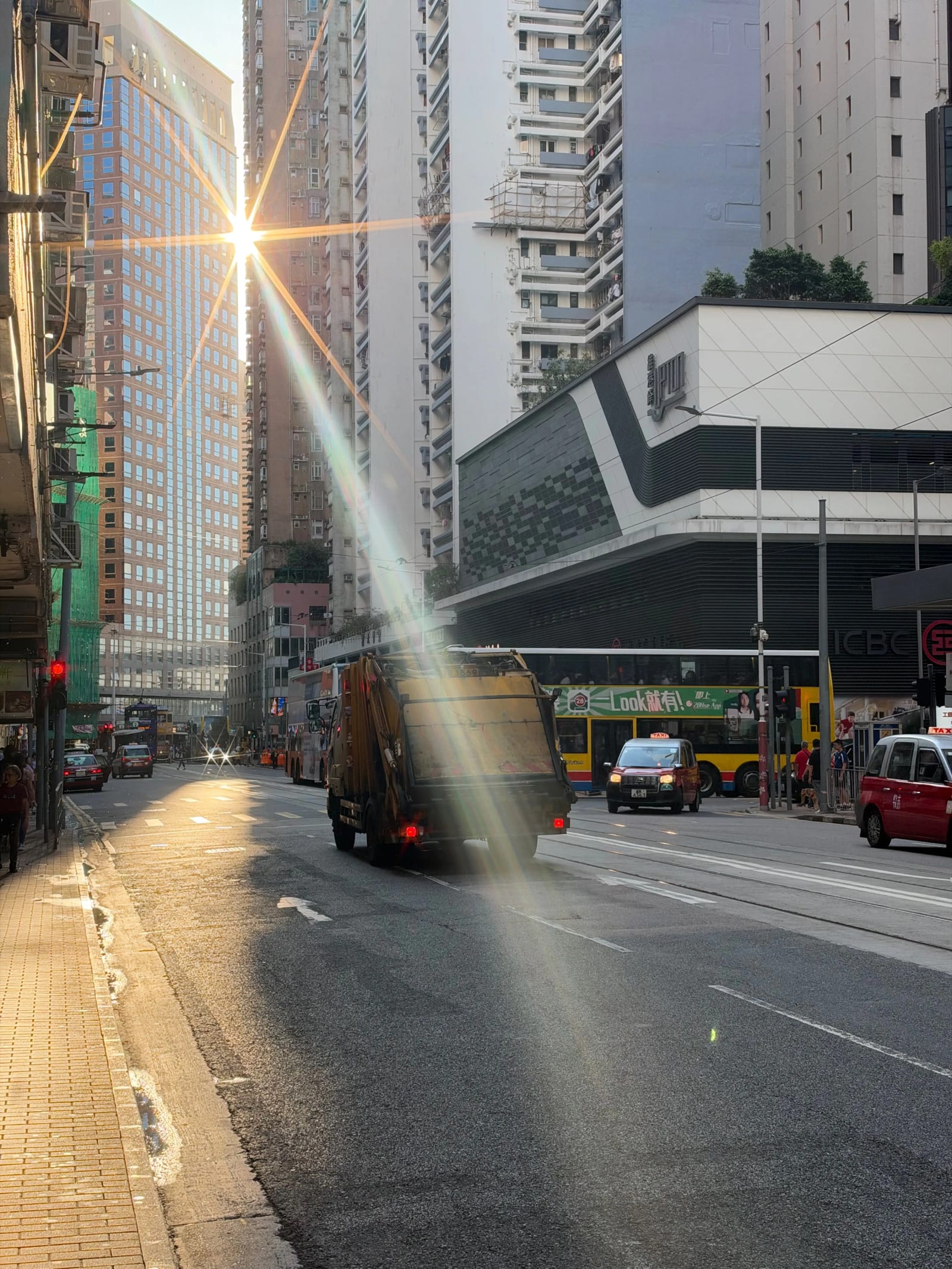
Image source: Lei Technology
In other words, the iPhone 18 Pro Max's flare has reached a point where even a miracle could not fix it.
As for the ghosting issue that has plagued the iPhone for the past few years, Xiao Lei's subjective impression is that it is noticeably weaker than before, and it is less likely to appear when shooting directly into lights at night.
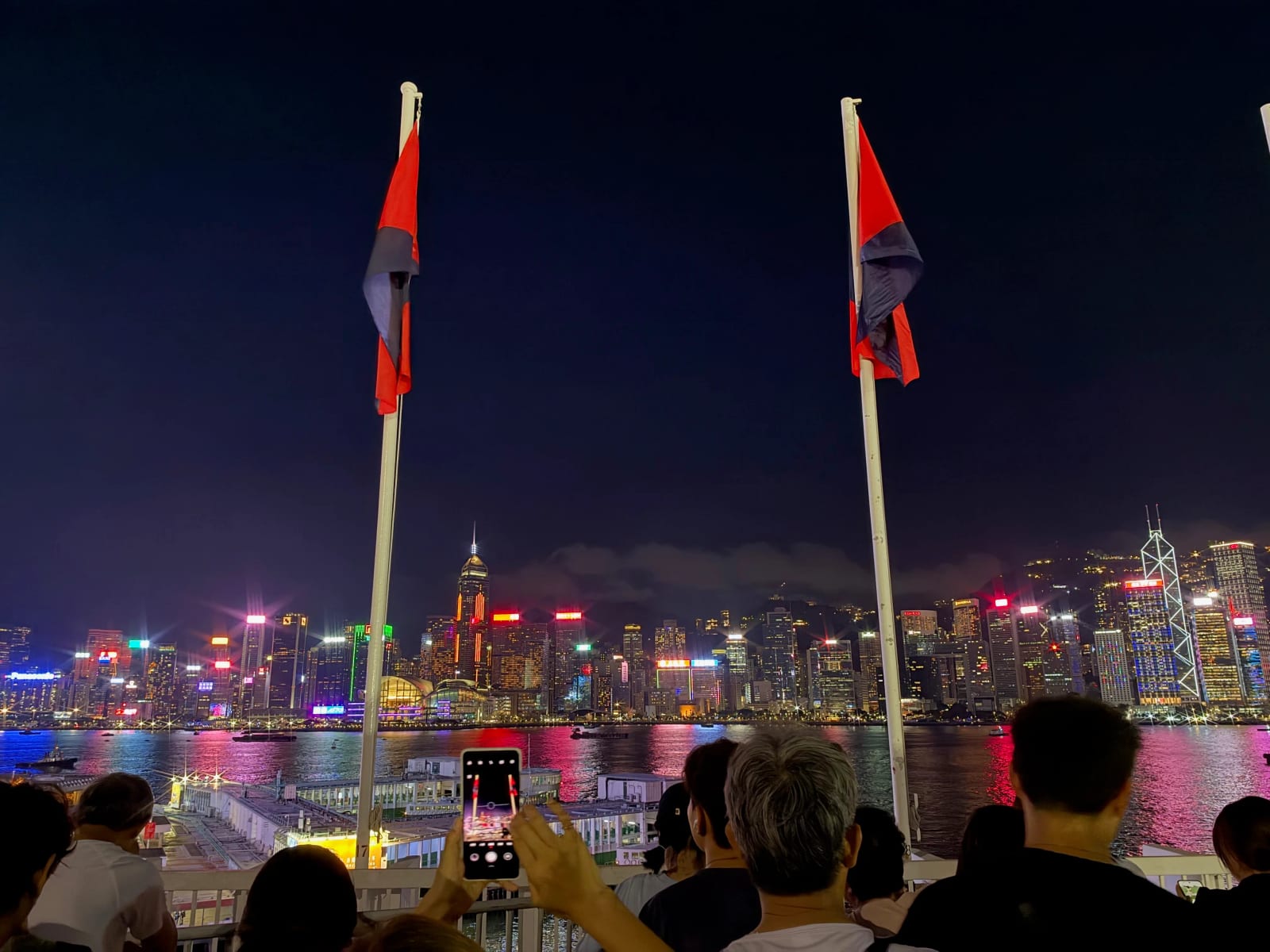
Image source: Leikeji
Improved night-shot cleanliness is the biggest surprise
Our time with the iPhone 18 Pro Max coincided with the National Day holiday, and Leikeji took the phone to Hong Kong to watch the annual National Day Fireworks Display. Compared with variable-aperture technology, which has equally obvious strengths and weaknesses, Leikeji believes the iPhone 18 Pro Max's night-shot cleanliness is what surprised me the most.
Whether shooting with the 2x or 4x camera, even at the instant the fireworks burst open, the gaps between the points of light remain clearly visible, no longer the blurred mass of light we used to see. The background also lacks the smearing and 'dirty' look caused by forced ISO boosts, and the overall cleanliness of the final shots completely surpasses the iPhone's usual level.
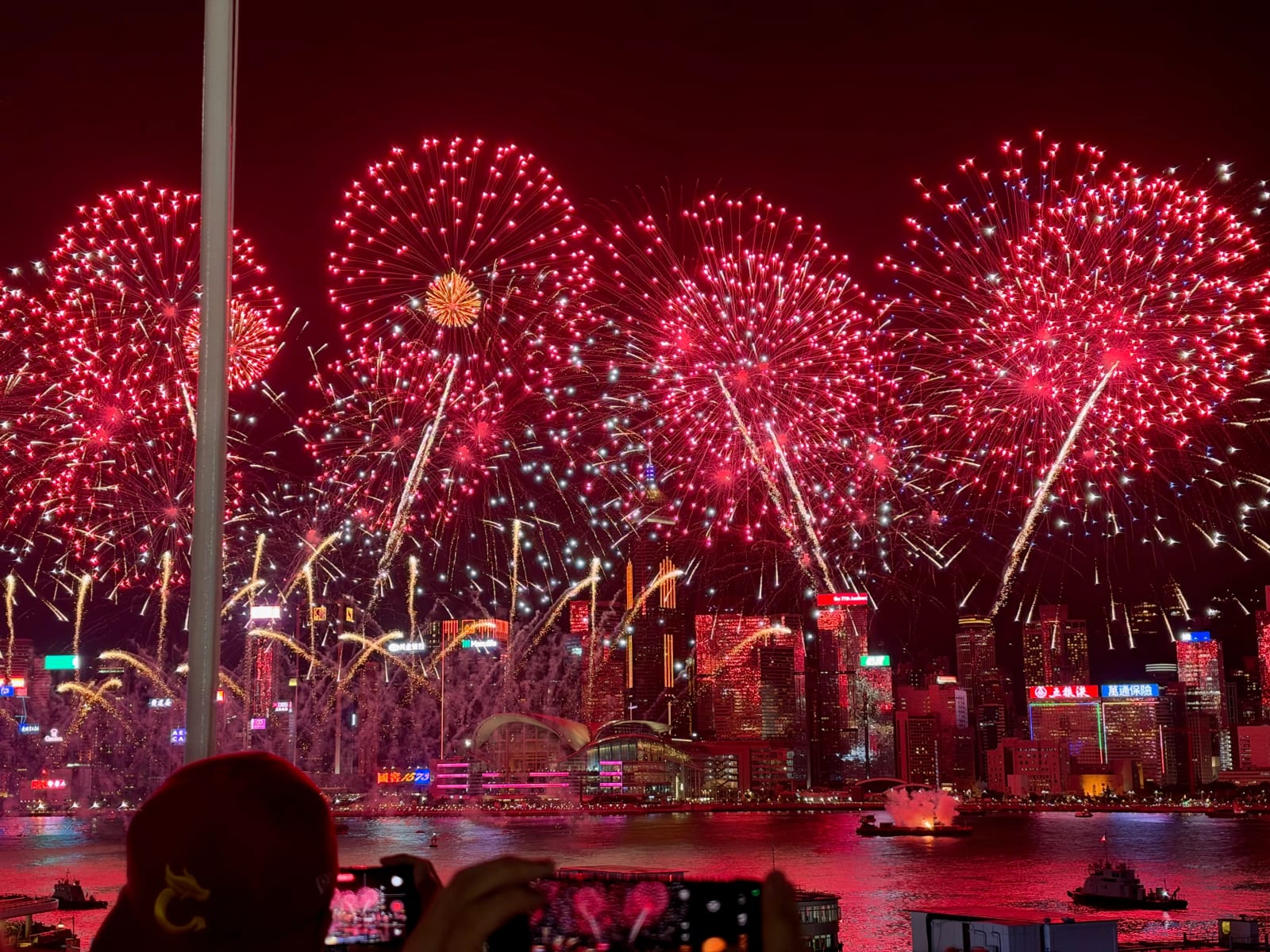
Image source: Leikeji
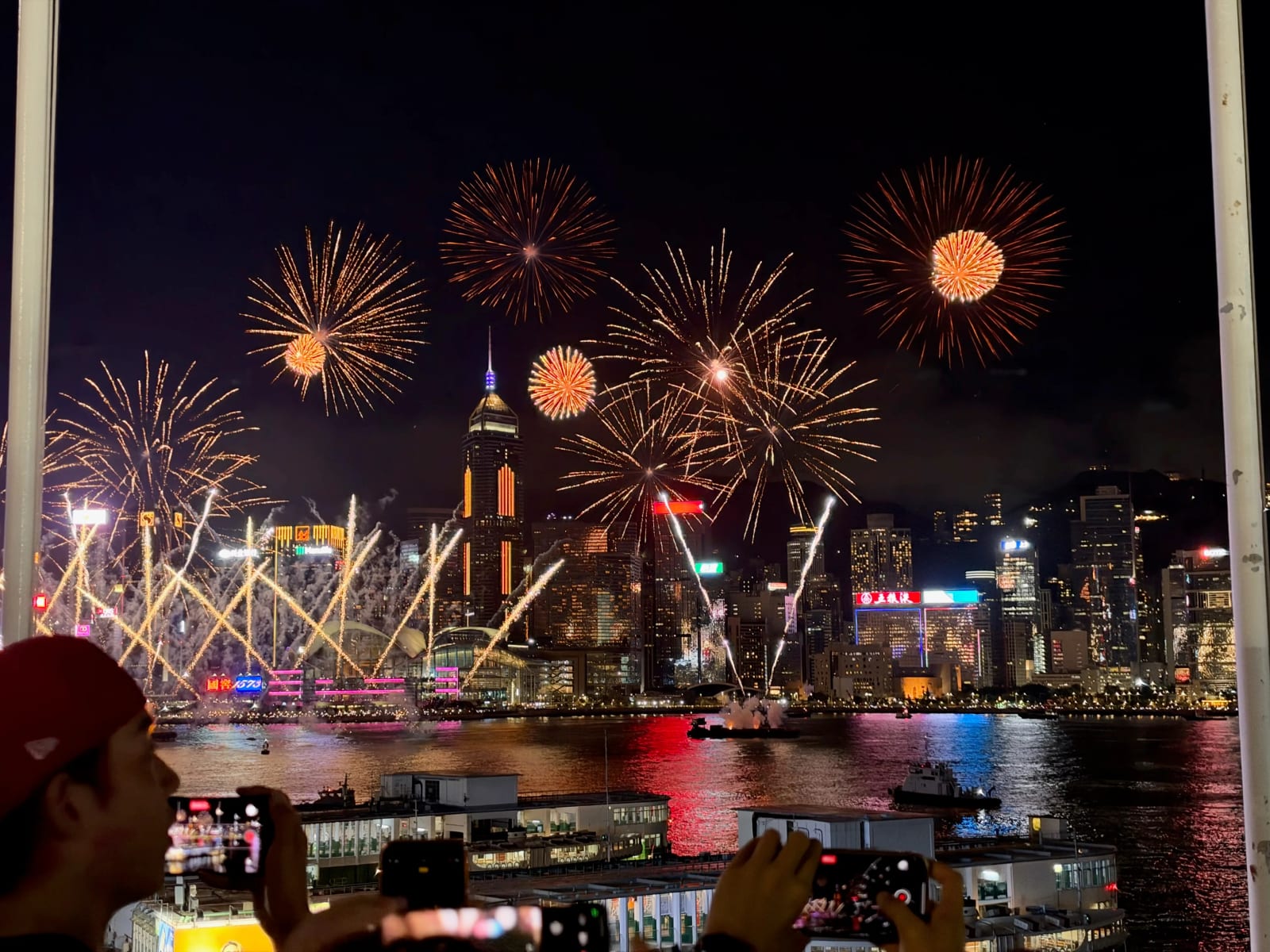
Image source: Leikeji
The telephoto performance is also quite good. Switching to 4x to shoot toward Central, the outlines of the buildings and the branches of the fireworks are both fully preserved. In the past, telephoto samples taken with an iPhone under these conditions could basically be deleted outright.
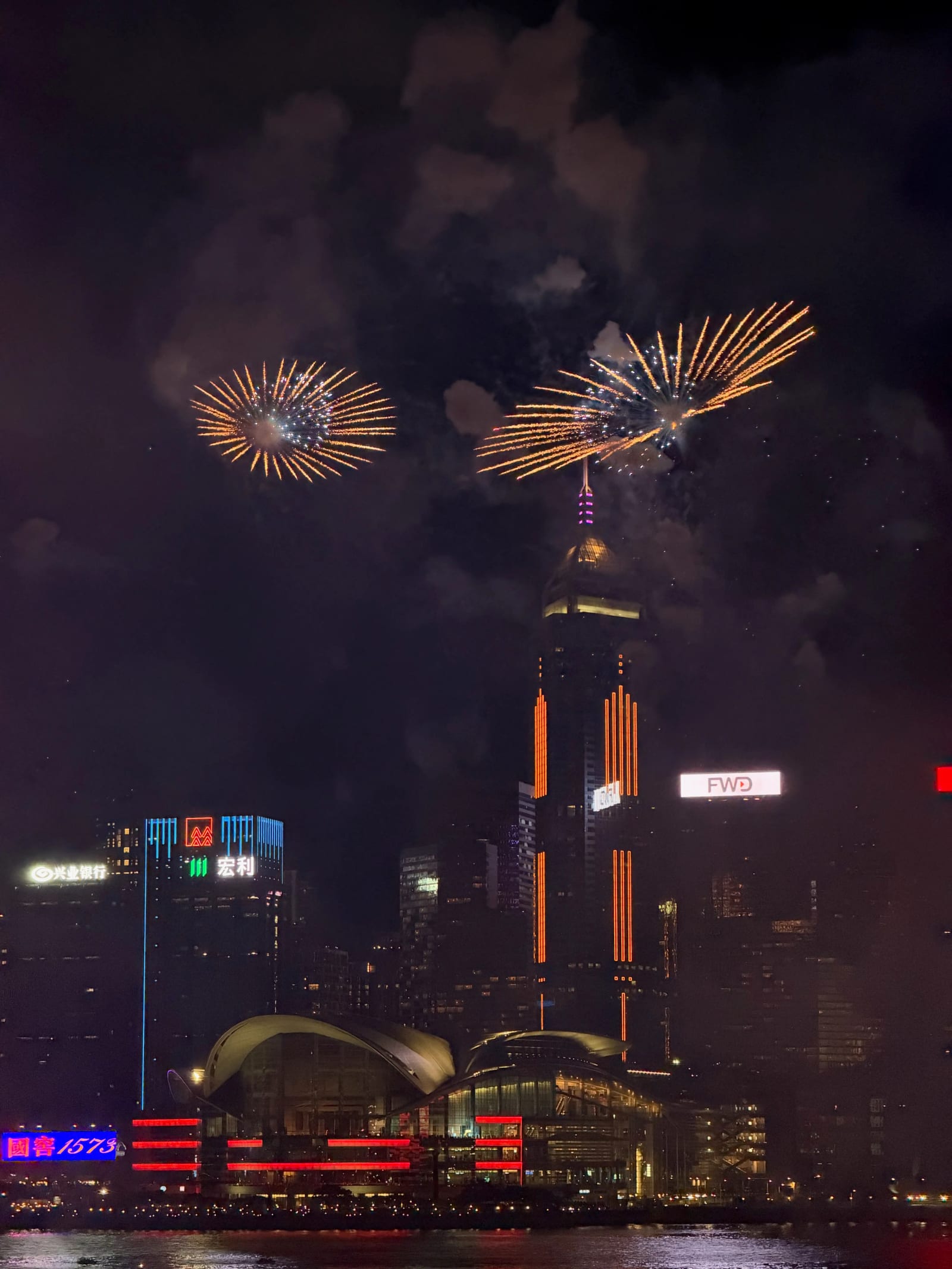
Image source: Leikeji
Some may feel that these sample shots still look "dirty," but Leikeji must clarify: the "dirty" look in the images comes from the smoke left after the fireworks, not from the phone's noise reduction or smearing. Compare this with the distant view of the buildings after the fireworks show ended, and the difference between the two becomes clear.
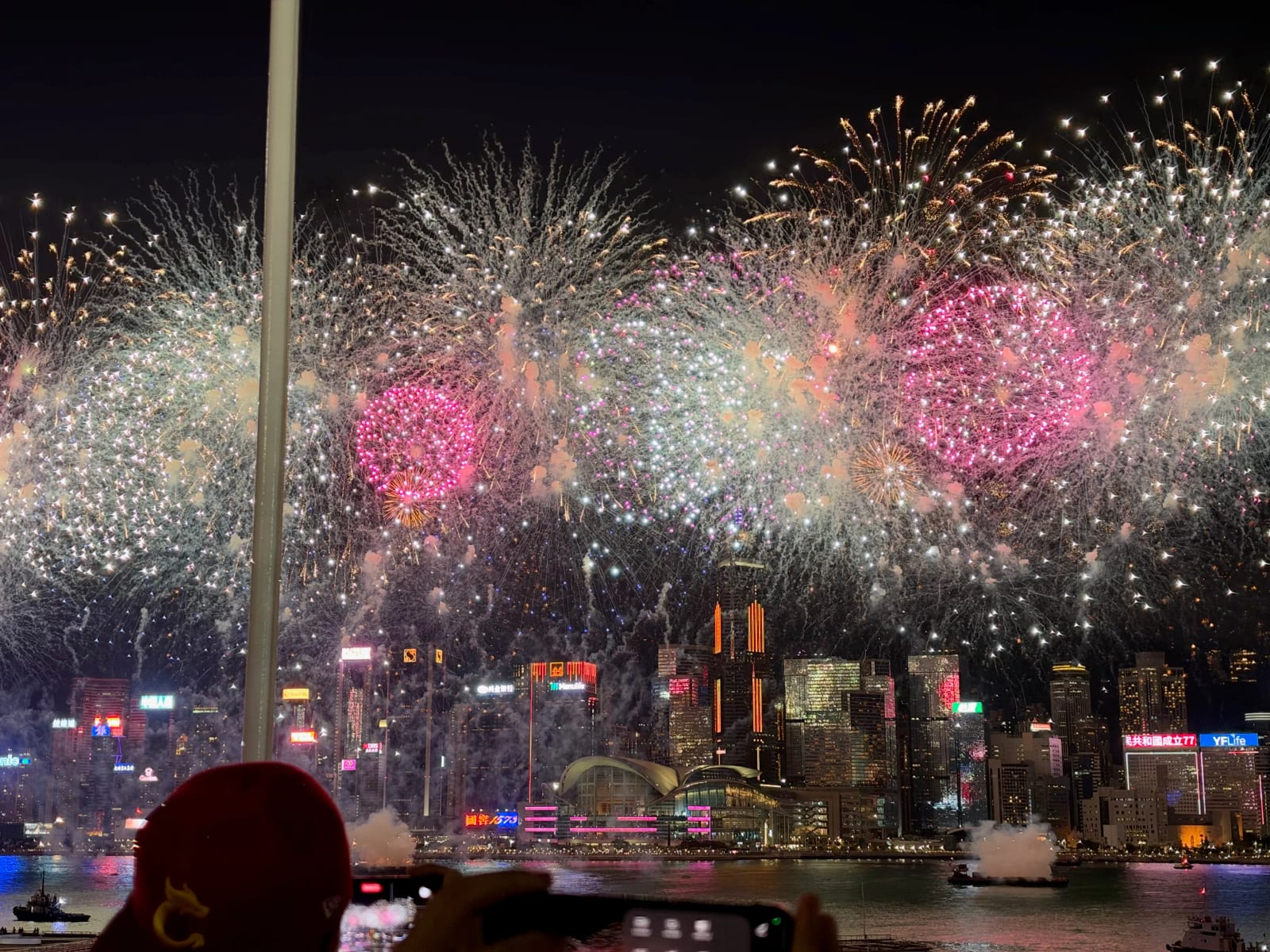
Image source: Leikeji
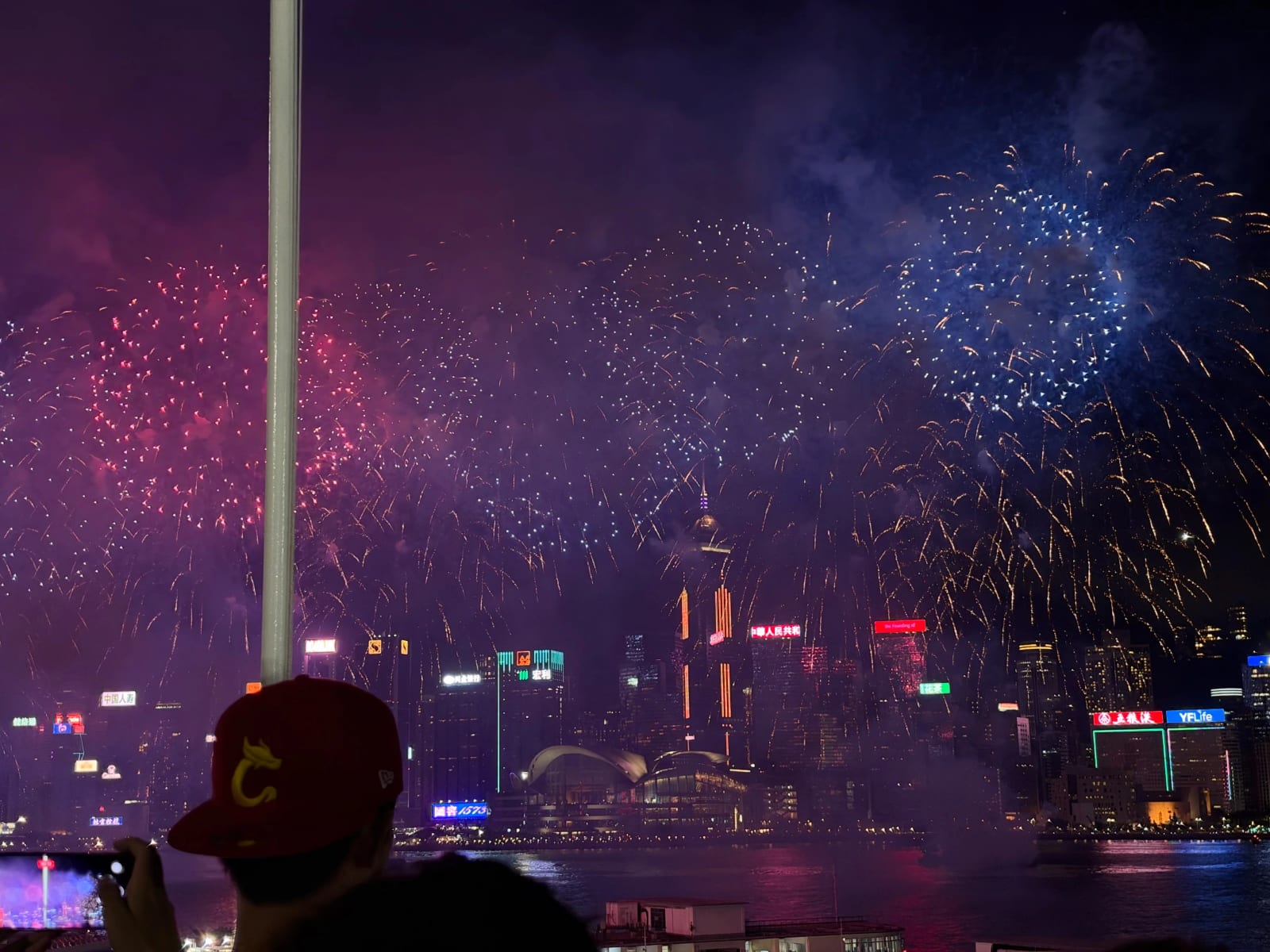
Image source: Leikeji
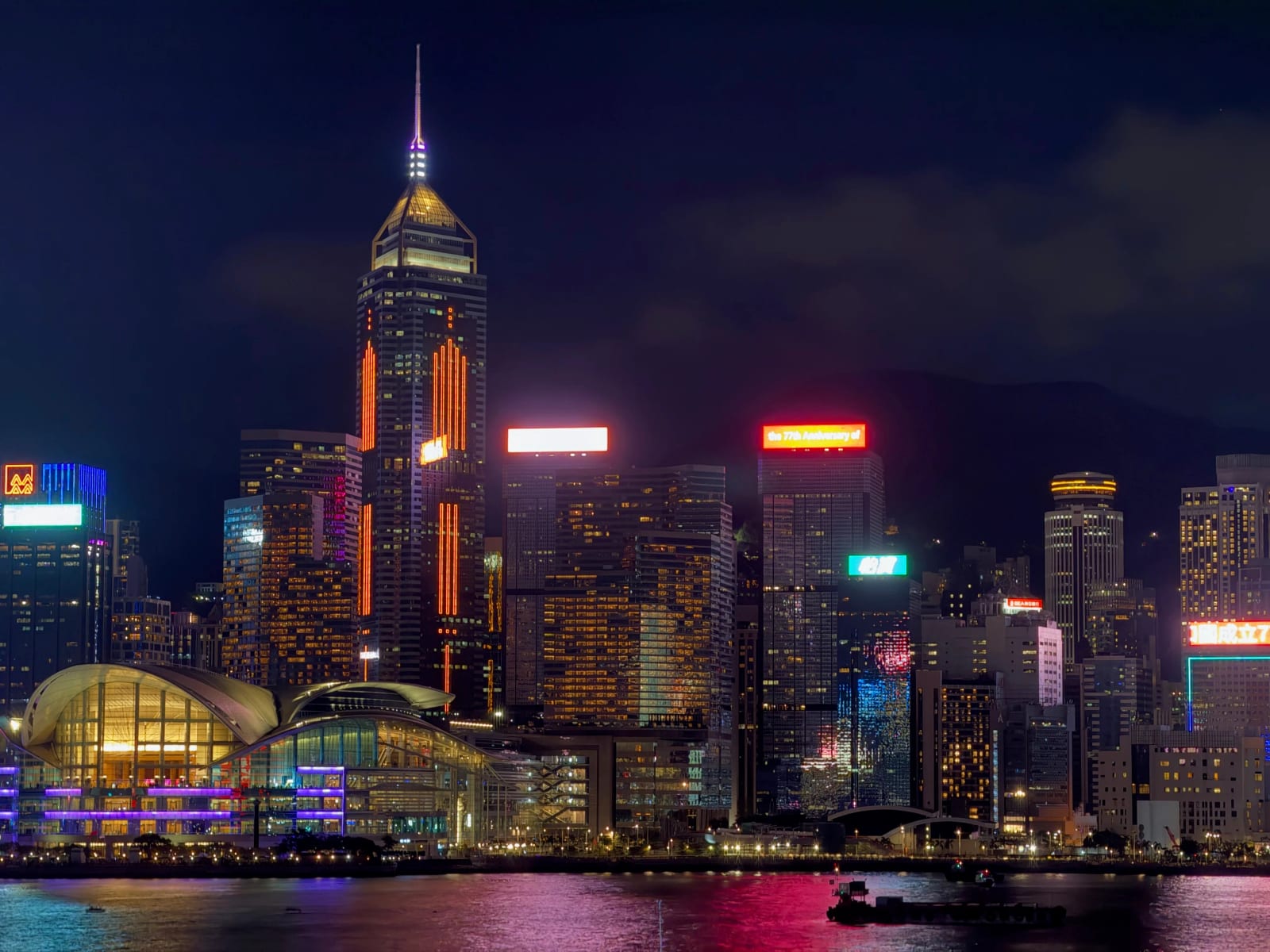
Image source: Leikeji
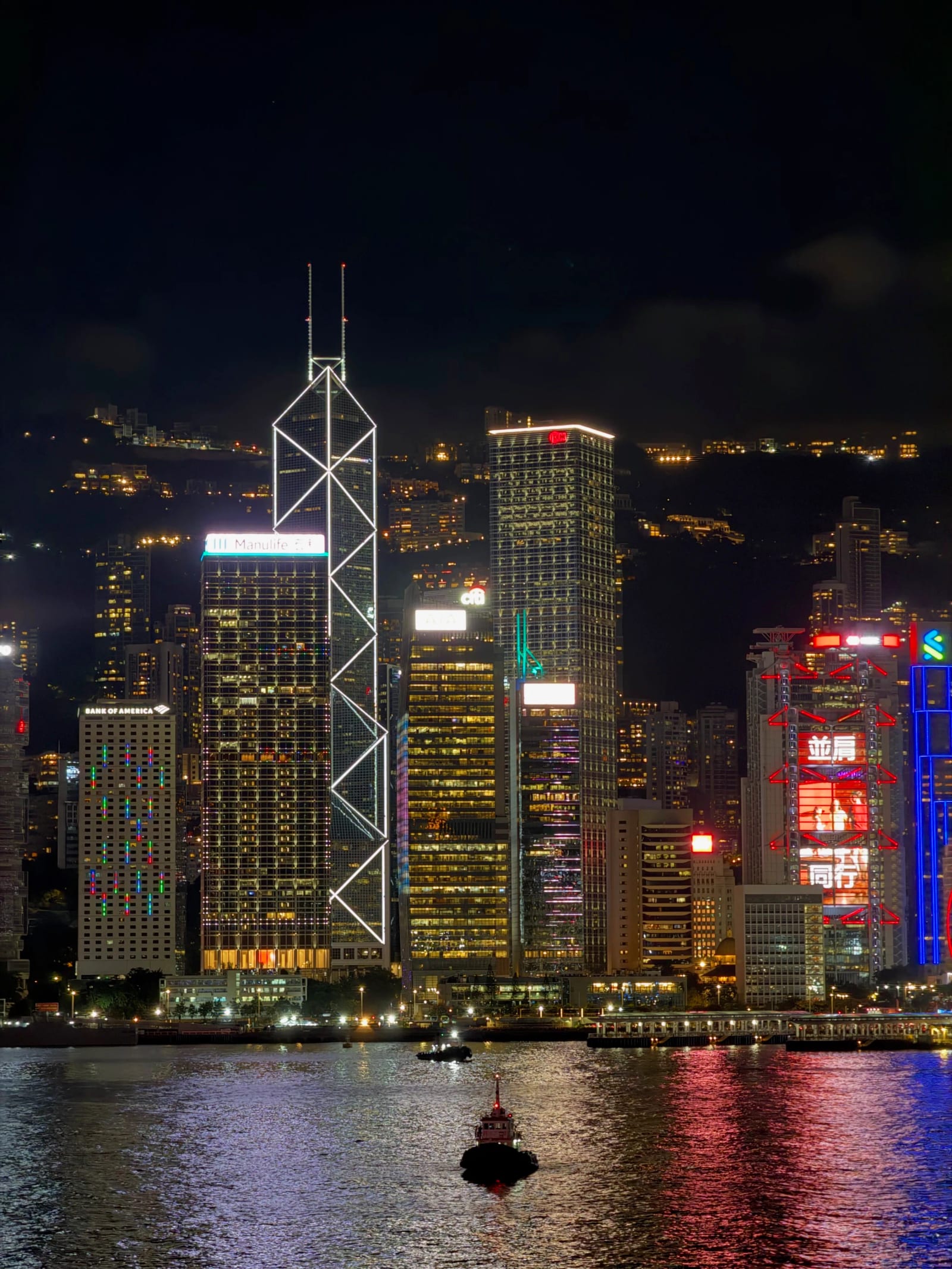
Image source: Leikeji
That said, while the iPhone 18 Pro Max delivers a clear improvement in night photography, another iPhone weakness shows up in fireworks scenes, a must-capture Live Photo moment: compared with domestic flagship phones, the iPhone's Live Photos are still too blurry.
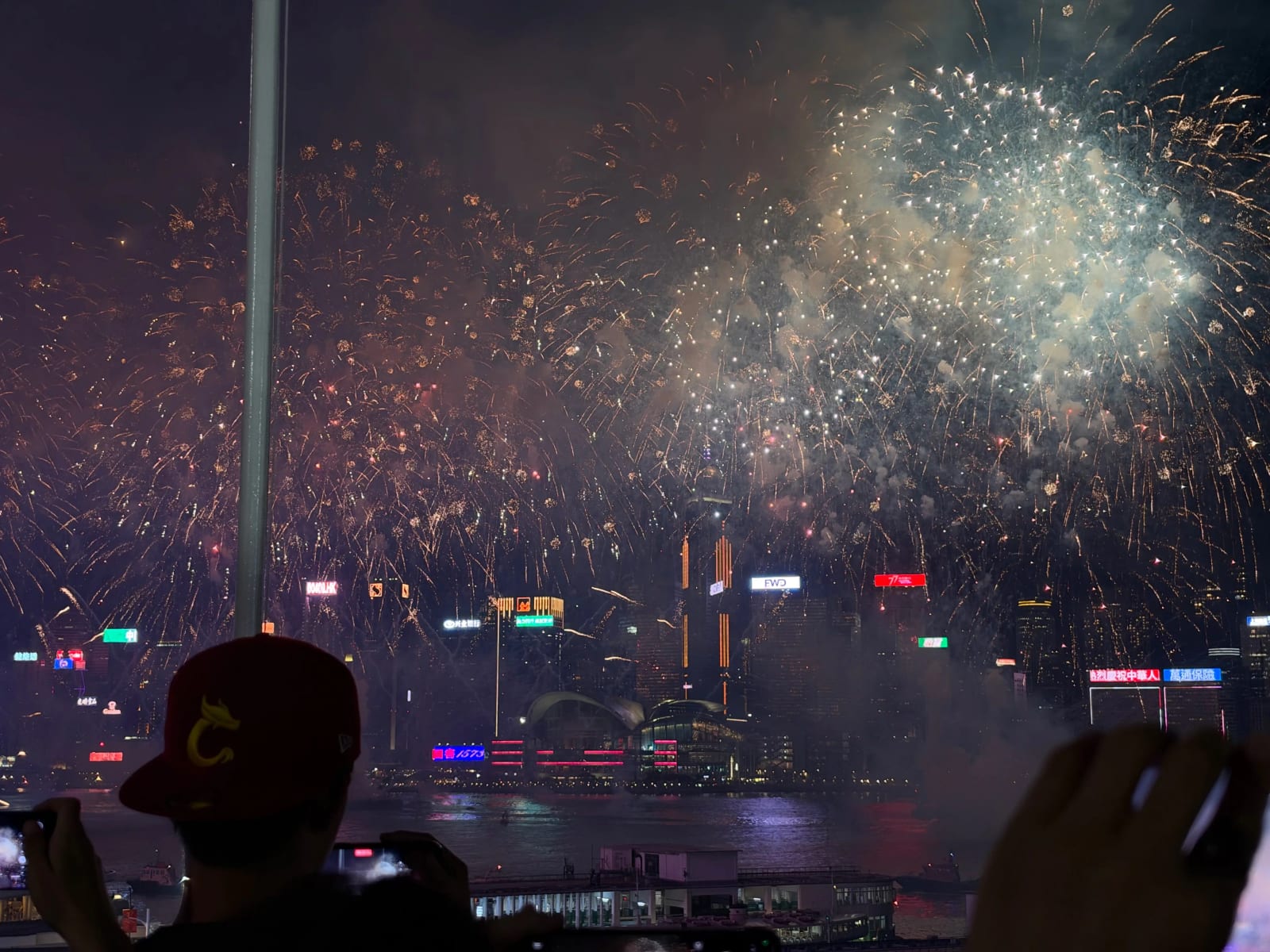
Live Photo cover frame
Image source: Leikeji
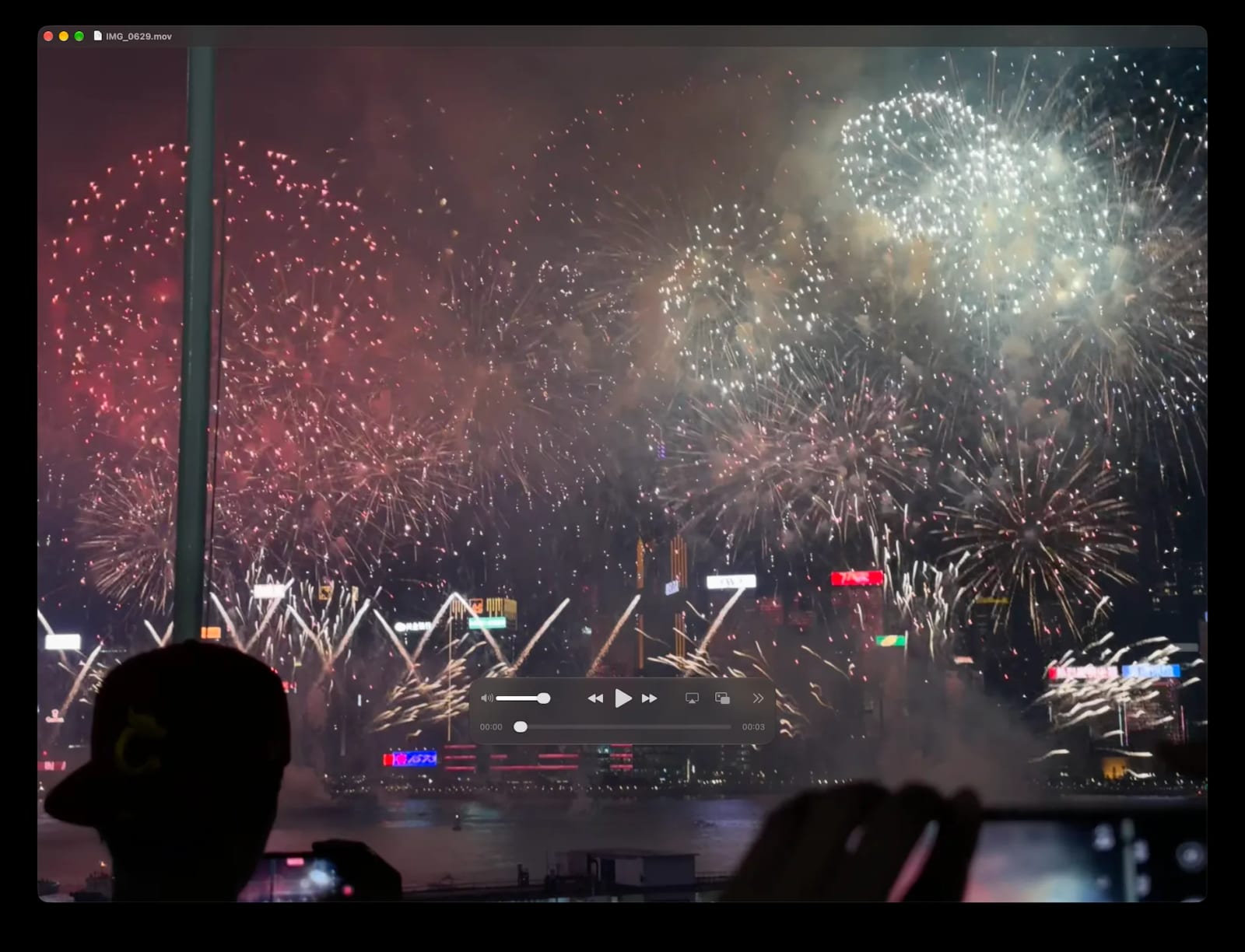
Live Photo non-cover frame
Image source: Leikeji
Can the iPhone Finally Shoot Concerts?
The iPhone 18 Pro Max successfully
Compared with the evenly lit low-light scenery of Victoria Harbour, concert lighting is clearly less than ideal. Still, some photos taken with the 8x telephoto retain good resolving power, and the smearing stays within a reasonable range.
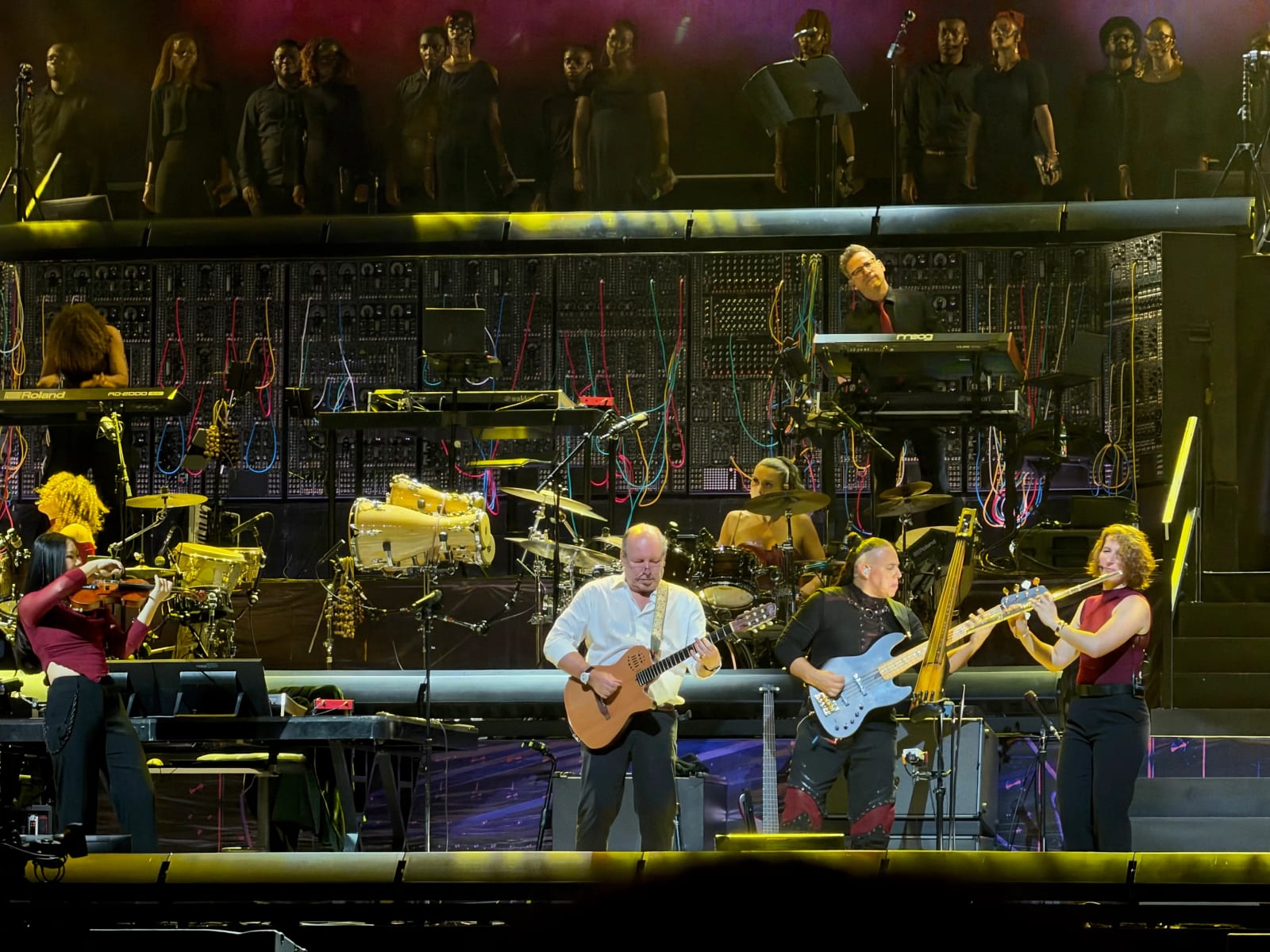
Image source: Leikeji
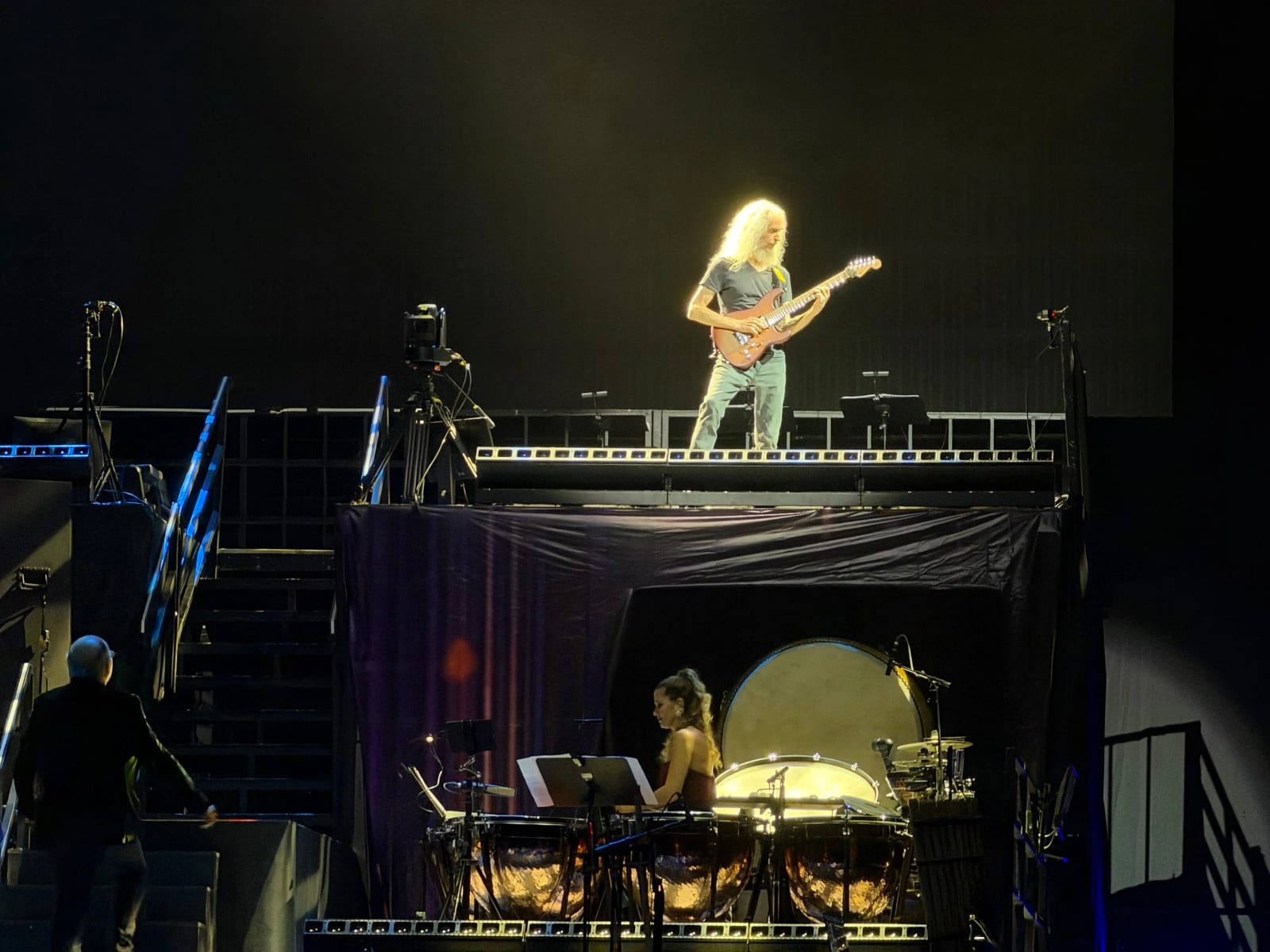
Image source: Leikeji
If you shoot at 4x or 2x, the image becomes even cleaner, with barely any flare.
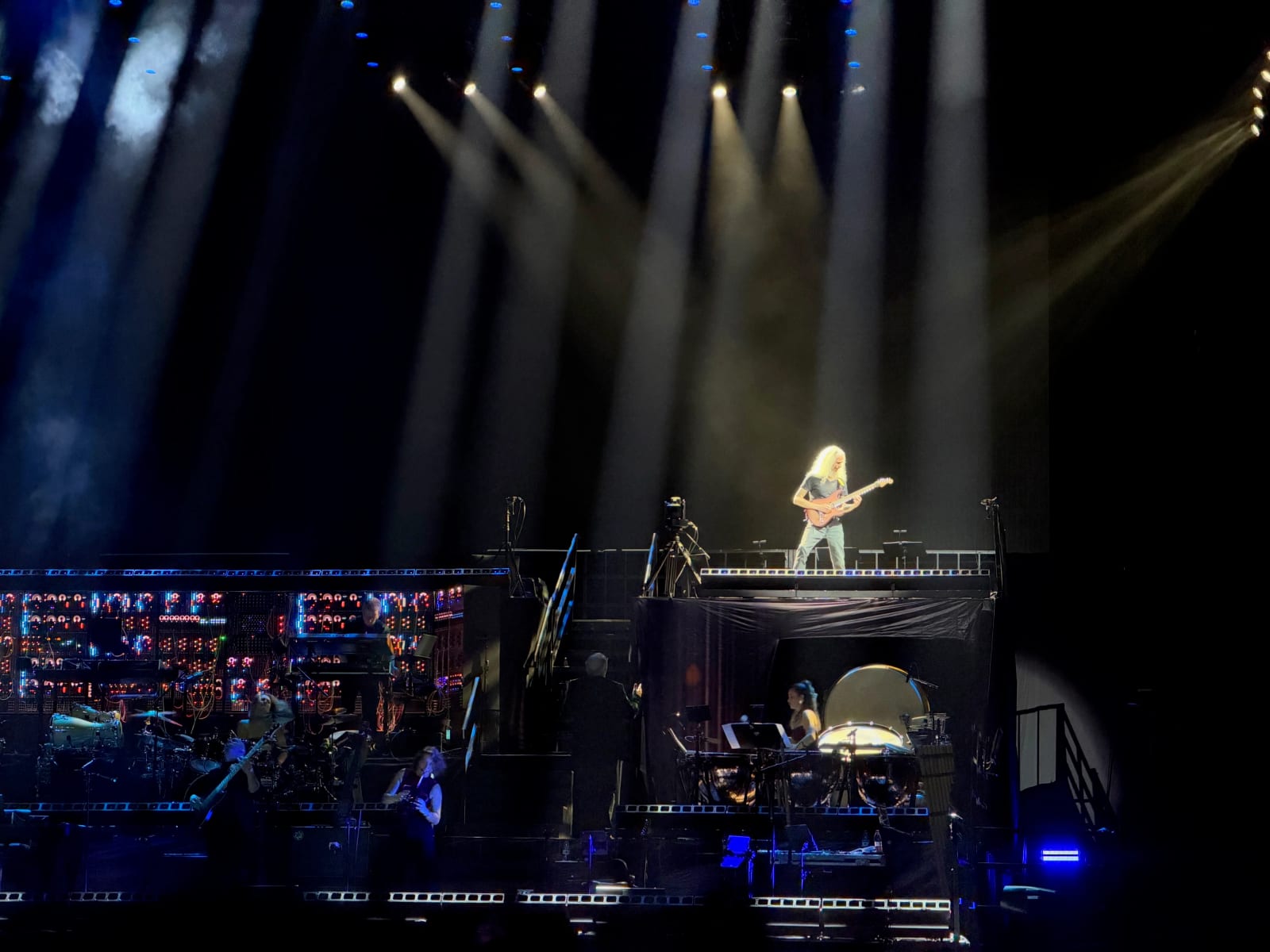
Image source: Leikeji
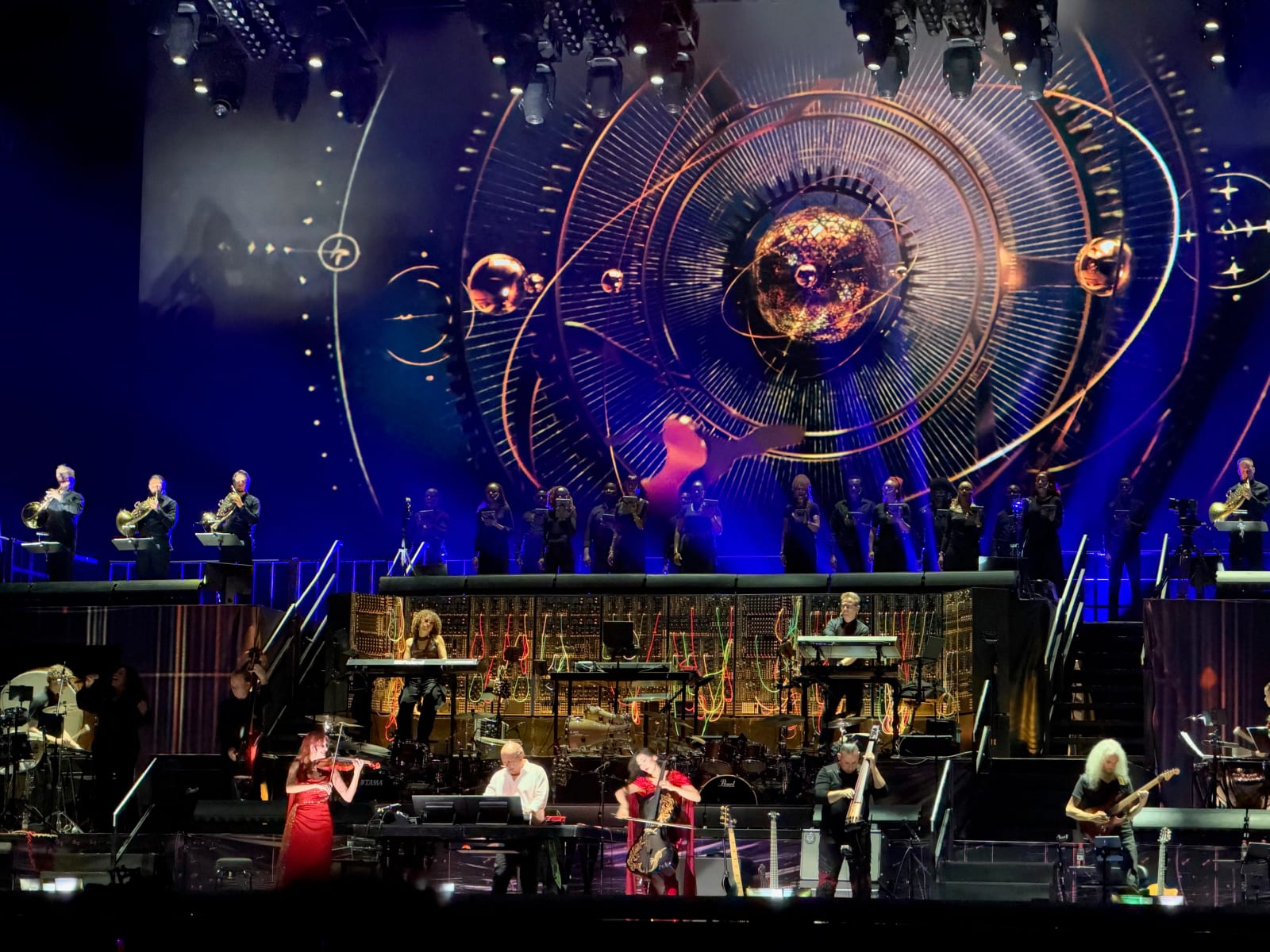
Image source: Leikeji
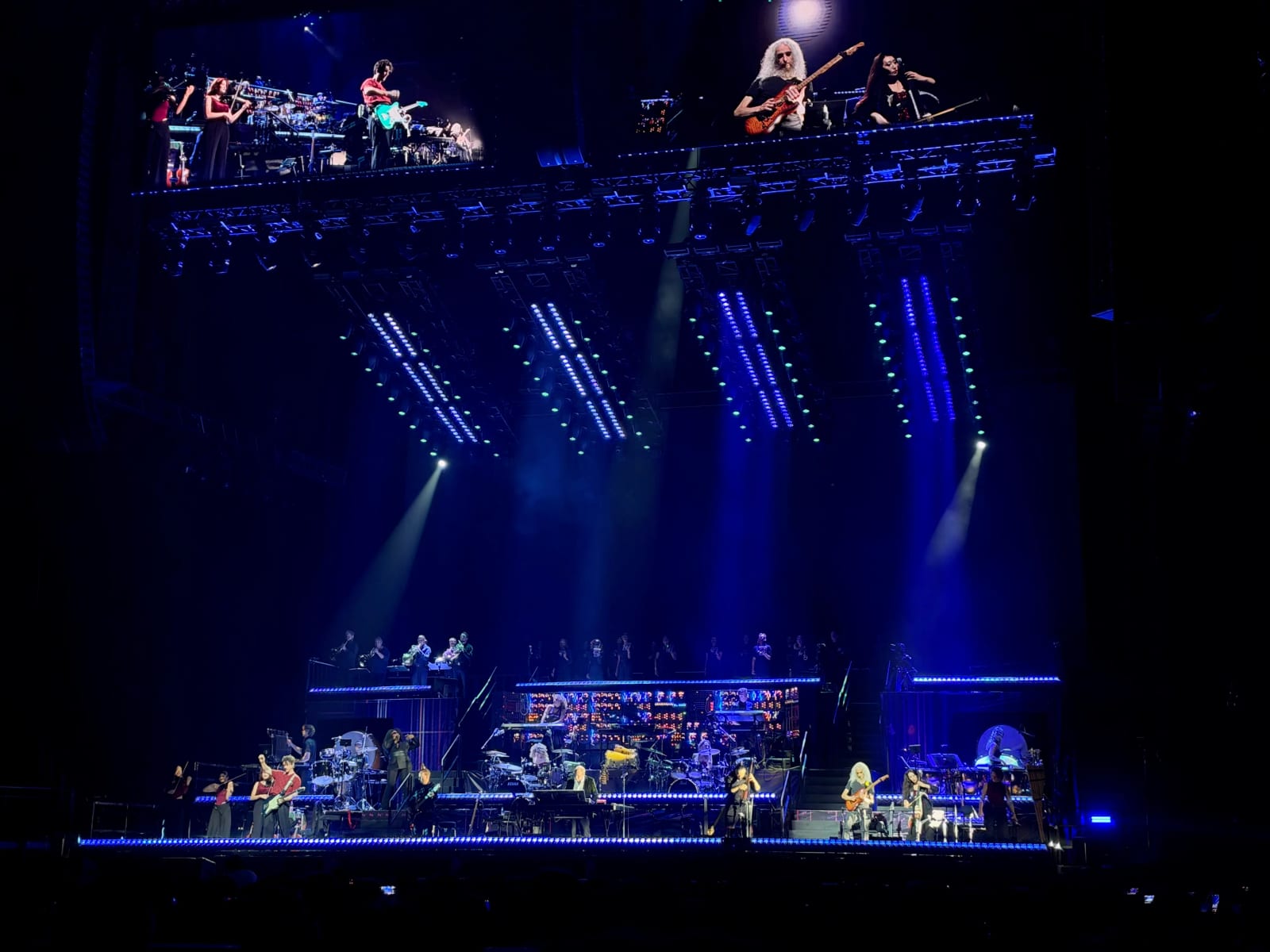 Image source: Leikeji
What surprised me most, however, was the Hannibal segment: the entire stage was bathed in red light, yet the red of the musicians' clothing and the red of the background still showed distinct layers, and the shadows did not blur into flat blocks of color.
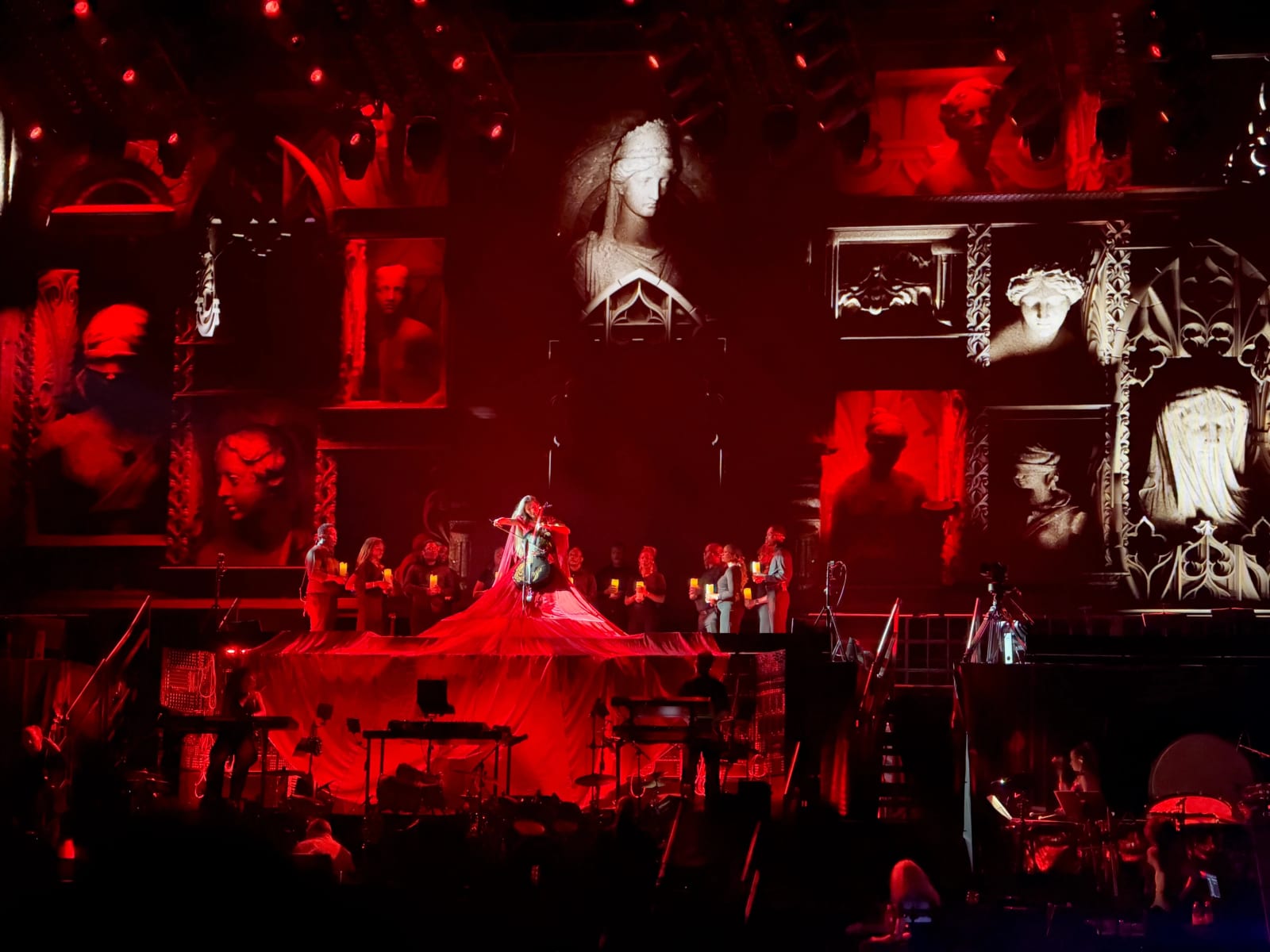
Image source: Leikeji
Imaging sees a major upgrade, but the shift in approach deserves more attention
As usual, we will start with a quick summary of the iPhone 18 Pro Max camera performance using the Leikeji review template:
Pros:
1. Consistent output with strong color consistency across all three cameras;
2. The variable aperture delivers genuine starbursts and more flexible video shooting settings;
3. The 2x and 4x telephoto lenses are noticeably more usable, producing clean images that handle concert photography with ease;
4. Night shots are noticeably cleaner, making fireworks easy to capture.
Cons:
1. Glare in bright light remains noticeable;
2. No ultra-telephoto beyond an equivalent 200mm.
Technically speaking, Lei Technology believes Apple has nearly exhausted the gains from computational photography in recent years: techniques such as multi-frame stacking and Smart HDR have long been used across the industry. That is precisely why Apple finally turned to hardware this year to boost product competitiveness; however, the glare issue introduced by the variable aperture has further weakened Apple's imaging capabilities.
As for whether the camera is worth paying for, Xiao Lei's verdict is this: if you use an iPhone 15 Pro or an earlier model (as well as single-camera, weaker-camera models such as the Air and 17e), the 18 Pro is a solid upgrade choice in its own right; if you use a 16 Pro or a newer model with strong imaging, the 18 Pro's camera upgrades are not enough to justify its price.
Besides, if you simply feel the shooting capability of the 16 Pro or 17 Pro is not enough, the wealth of domestic imaging flagships can deliver better overall shooting performance at more affordable prices.
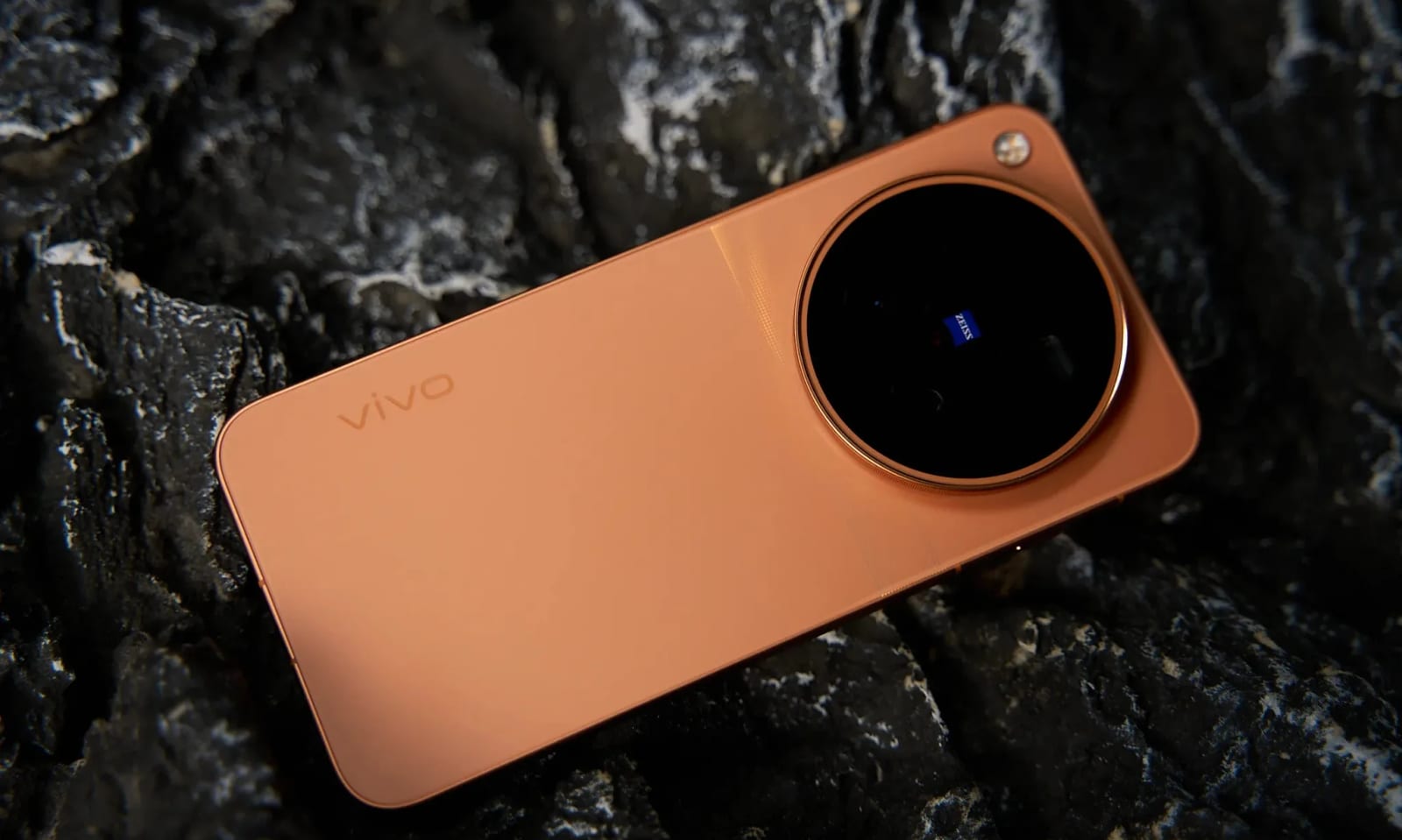
Image source: Leikeji
Precisely for this reason, Leikeji believes that the imaging upgrades in the 18 Pro series carry far more symbolic significance than actual improvement. Looking back at Apple's camera moves in recent years: when a problem can be solved with algorithms or turned into a system-level capability, Apple acts quickly and early; when it comes purely to competing on hardware specs, it largely stays out.
But with the iPhone 18 Pro Max, Apple has finally begun tackling problems with a hardware mindset.
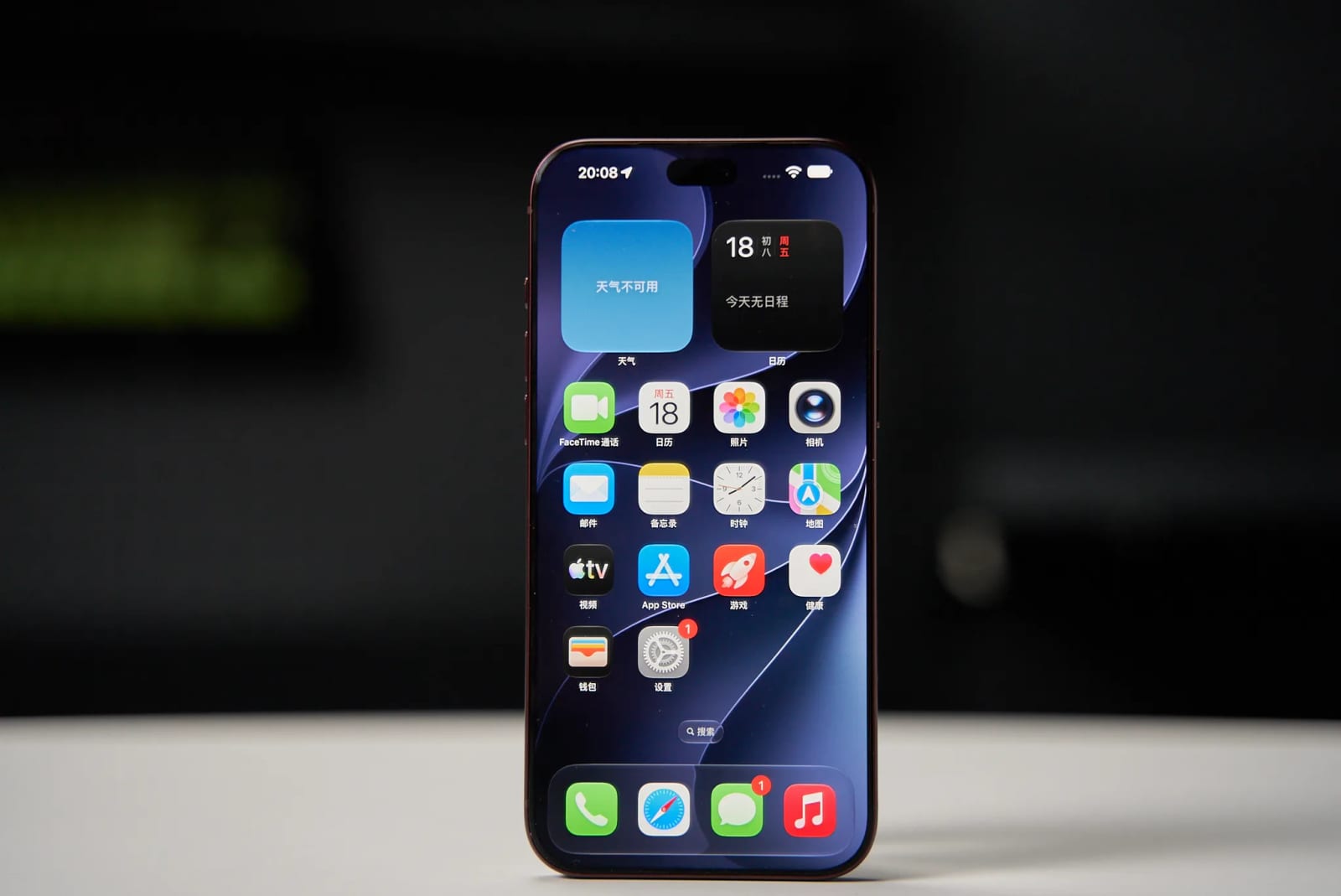
Image source: Leikeji
So in Leikeji's view, this year's iPhone 18 Pro series looks more like a breakthrough in Apple's own technology roadmap, albeit one with limited results that fell short of Apple's expectations. Either way, in 2026 Apple has finally taken a big step forward in cameras. Whether that step can truly reverse Apple's conservative, follow-the-leader technology approach, we should find out at next year's launch event.
Source: OFweek Optics Network · News · optics.ofweek.com